
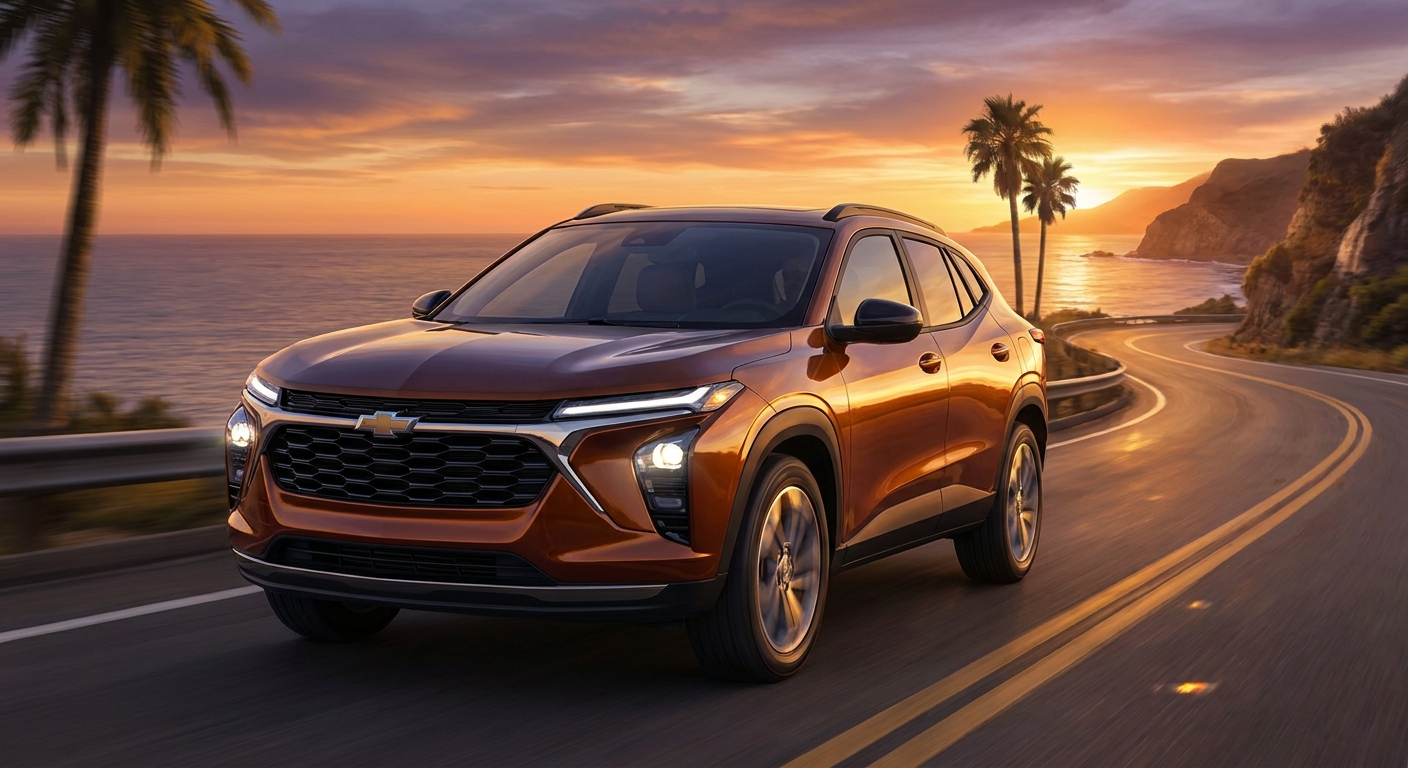
The Real Deal on the Nissan Rogue 2023
Let’s talk about the Nissan Rogue 2023 because it has been making serious waves among daily drivers and road trip lovers alike. If you are looking for a compact crossover that genuinely balances family utility with everyday comfort, you are in the right place. I remember a specific drive from Kyiv to the sweeping roads of the Carpathian Mountains just last autumn. The route was a chaotic mix of buttery-smooth modern highways and completely unforgiving, pothole-riddled village backroads. I needed a reliable ride that wouldn’t shatter my spine by the time I reached the cabin. A friend handed me the keys to his SUV, and it completely changed my perspective on what an accessible family hauler can achieve.
You see, this vehicle strikes a remarkably rare balance between practical interior space and a surprisingly sophisticated ride quality. It proves once and for all that you don’t necessarily need a high-end luxury badge to get a genuinely premium feeling behind the wheel. We are going to look closely at every single element that makes this machine tick, from its intricate mechanical core to its everyday usability on crowded city streets. Looking back from our current vantage point in 2026, it stands out clearly as a pivotal model in the crossover segment. I have spent countless hours behind the steering wheel, aggressively testing every knob, dial, and high-definition digital display, so you know exactly what you are getting into.
When you break it down, the core appeal of the Nissan Rogue 2023 lies in its uncompromising approach to passenger comfort and cargo flexibility. This isn’t just a lifted hatchback; it is a meticulously engineered mobile living room. Let me give you two specific examples. First, the fuel efficiency is downright fantastic for long European road trips, saving you serious cash at the pump without sacrificing overtaking power. Second, the innovative Divide-N-Hide cargo system means you can separate muddy hiking boots from your clean groceries instantly. It is those small, thoughtful touches that elevate the daily driving experience from mundane to genuinely enjoyable.
To give you a better idea of how the lineup is structured, here is a quick breakdown of the primary trim levels and what they bring to the table.
| Trim Level | Core Engine Specs | Standout Feature |
|---|---|---|
| SV | 1.5L VC-Turbo (201 hp) | ProPILOT Assist & 18-inch wheels |
| SL | 1.5L VC-Turbo (201 hp) | Leather-appointed seats & panoramic roof |
| Platinum | 1.5L VC-Turbo (201 hp) | Quilted semi-aniline leather & digital dashboard |
If you are trying to decide why this model should be on your driveway, here are the top non-negotiable benefits you will experience:
- Unmatched Seat Comfort: The NASA-inspired Zero Gravity seats literally reduce muscle fatigue on long drives by supporting a neutral spinal posture.
- Top-Tier Safety Tech: The standard Safety Shield 360 suite acts like an invisible co-pilot, constantly scanning your blind spots and managing automatic emergency braking.
- Flawless Connectivity: Wireless Apple CarPlay and a highly responsive infotainment touchscreen mean you are never fumbling with annoying cables while trying to navigate traffic.
Origins of the Crossover
To really appreciate the vehicle sitting in front of us, we have to look back at how the crossover craze began. In the late 2000s, families started rejecting the bulky, fuel-thirsty SUVs of the past, alongside the aesthetically unappealing minivans. People wanted the elevated seating position and all-wheel-drive capability of a truck, but they demanded the driving dynamics and fuel economy of a standard compact sedan. Automakers scrambled to build vehicles on car platforms rather than truck frames. This architectural shift birthed the modern crossover, entirely rewriting the rules of automotive design and setting the stage for decades of fierce competition.
Evolution of the Rogue Nameplate
The nameplate officially debuted way back in 2007. The first generation was a modest, unassuming entry into a growing segment. It was practical, sure, but it lacked a distinct personality. The second generation, launched in 2014, was a massive leap forward in terms of sales and exterior styling, becoming a ubiquitous sight in suburban driveways worldwide. However, it was frequently criticized for having a sluggish powertrain and an uninspiring, droning continuously variable transmission (CVT). The engineering team took those critiques highly seriously, dedicating years to entirely overhauling the powertrain layout and chassis rigidity for the next massive iteration.
The Modern State of the 2023 Model
Now, firmly established in its third generation, the Nissan Rogue 2023 represents the absolute pinnacle of this evolution. The soft, rounded edges of the past have been replaced by a bold, truck-like front fascia with distinctive split headlamps. The interior materials rival those found in cars costing significantly more, featuring soft-touch plastics, premium stitching, and gorgeous open-pore wood finishes on the top trims. Even more importantly, the mechanical complaints of the past have been completely eradicated, replaced by an award-winning turbocharged powertrain that finally gives the chassis the energetic personality it always deserved.
The VC-Turbo Engine Explained
Let’s get mildly technical for a second, because what is happening under the hood is legitimately fascinating. The vehicle utilizes a 1.5-liter Variable Compression Turbo (VC-Turbo) three-cylinder engine. In simple terms, most car engines have a fixed compression ratio—meaning the piston always travels up to the exact same height inside the cylinder. A high compression ratio is great for saving fuel during highway cruising, while a low compression ratio is ideal for generating massive turbo boost and rapid acceleration. Historically, engineers had to choose one or the other. This engine physically changes its compression ratio on the fly using a complex multi-link system and an electric harmonic drive motor, literally giving you the best of both worlds instantly.
Advanced Aerodynamics and Chassis Dynamics
Beyond the engine, the physical structure of the vehicle has been stiffened heavily with ultra-high-strength steel. This rigidity allows the suspension to do its job properly without the body flexing over bumps. The aerodynamic profile is also highly optimized, utilizing active grille shutters that close at highway speeds to slice through the air smoothly. Here are some of the key scientific and mechanical specifications:
- Dynamic Compression Range: Shifts seamlessly anywhere between 8:1 (for maximum performance) and 14:1 (for maximum high-efficiency cruising).
- Output Metrics: Generates a highly respectable 201 horsepower alongside 225 lb-ft of torque, peaking low in the rev range for quick urban passing.
- Friction Reduction: Utilizes a mirror-bore cylinder coating technology—borrowed directly from high-performance supercars—to drastically reduce internal engine friction and improve overall thermal efficiency.
- Steering Calibration: Features a dual-pinion electric power steering rack, offering significantly quicker response times and better road feedback than older hydraulic systems.
Day 1: Setup and Delivery
When you first bring the SUV home, spend your evening setting up the driver profiles. Adjust the Zero Gravity seats until you find your perfect angle, link your smartphone via Bluetooth, and set your favorite radio stations. Do not forget to program the memory seat buttons on the door panel so you never lose your perfect driving position after someone else borrows the keys.
Day 2: Infotainment Mastery
Dedicate your second day to exploring the digital interfaces. If you have the Platinum trim, customize the 12.3-inch digital gauge cluster to show you precisely the information you care about—whether that is a massive navigation map, your tire pressure metrics, or your current audio track. Test out the wireless Apple CarPlay or Android Auto to ensure your podcasts and navigation apps load up seamlessly.
Day 3: Testing the ProPILOT Assist
Take the vehicle out on a clearly marked highway to experiment with the ProPILOT Assist system. Set your cruising speed and watch how the adaptive cruise control brilliantly manages the distance between you and the car ahead. Notice how the lane-centering technology makes minor steering adjustments to keep you perfectly positioned, massively reducing your mental fatigue on long highway stretches.
Day 4: The Commuter Test
Run your standard daily errands. Pay close attention to how the recalibrated Xtronic CVT handles stop-and-go city traffic. You will notice it mimics traditional stepped-gear shifts, completely eliminating the annoying “rubber-band” feeling associated with older CVTs. Try squeezing into a tight parallel parking spot using the Intelligent Around View Monitor’s 360-degree camera system.
Day 5: Cargo and Utility Check
Head to the grocery store or a local hardware shop. Open the rear hatch and play with the Divide-N-Hide cargo floor panels. Configure them into shelves or hidden compartments to secure your fragile groceries while keeping heavier tools completely separate. Fold the rear seats down absolutely flat to see just how much voluminous space you have at your disposal.
Day 6: The Weekend Getaway
Pack a weekend bag and head out of the city limits. Find some winding rural roads to evaluate the suspension tuning. The rigid chassis and well-damped struts provide a controlled, comfortable ride that absorbs harsh road imperfections without floating loosely over crests. If you have the all-wheel-drive model, try a mild gravel path to feel the intelligent system route power to the rear wheels instantly when slip is detected.
Day 7: Fuel Economy Review
At the end of your first week, check your trip computer’s average miles per gallon. Thanks to the highly efficient variable compression engine and aerodynamic exterior, you should notice that your fuel needle has barely moved compared to older, heavier utility vehicles. It is the perfect time to calculate your monthly fuel savings.
Myth: The continuously variable transmission (CVT) is slow and highly unreliable.
Reality: While earlier iterations from a decade ago had durability issues, the modern Xtronic CVT in this vehicle has been heavily reinforced with a larger gear ratio spread and twin oil pumps. It shifts crisply, reliably, and feels almost exactly like a traditional automatic gearbox.
Myth: Three-cylinder engines are inherently weak and terribly unbalanced.
Reality: The advanced 1.5L VC-Turbo pushes a potent 201 horsepower and 225 lb-ft of torque. It utilizes a complex active torque rod mounting system to completely cancel out the natural vibrations of a three-cylinder layout, making it remarkably smooth and exceptionally punchy off the line.
Myth: It is just a boring family hauler with absolutely zero driving personality.
Reality: The heavily retuned independent suspension system, rigid new architecture, and highly responsive dual-pinion steering rack provide genuinely engaging and confident feedback on twisty backroads, totally shattering the boring commuter stereotype.
Is the Nissan Rogue 2023 fuel-efficient?
Yes, absolutely. Front-wheel-drive models can achieve upwards of 30 mpg in the city and an impressive 37 mpg on the highway, making it one of the most efficient non-hybrid choices available.
Does it have Apple CarPlay and Android Auto?
Yes, both are included as standard equipment. Higher trim levels even offer wireless Apple CarPlay, completely eliminating cable clutter from your center console.
What is the maximum towing capacity?
When properly equipped, it is rated to tow up to 1,500 pounds. This is perfectly adequate for a small utility trailer, a lightweight jet ski, or a hitch-mounted bicycle rack.
Is the ProPILOT Assist system worth paying for?
Without a doubt. If you frequently drive on highways or get stuck in heavy traffic, the system dramatically reduces driver fatigue by handling the tedious acceleration, braking, and lane-keeping tasks.
How spacious is the back seat for adults?
The rear doors open to a massive 90-degree angle, making entry incredibly easy. Once inside, adults will find generous legroom and headroom, even on models equipped with the panoramic sunroof.
Are there heated seats available?
Yes, heated front seats and a heated steering wheel are available on the SV trim and come standard on the higher SL and Platinum trims. You can even get heated rear seats on the top-tier models.
Is the rear cargo area practical for families?
Incredibly practical. Beyond offering up to 74.1 cubic feet of maximum space with the rear seats folded, the wide hatch opening easily accommodates bulky strollers, large coolers, and big luggage pieces.
Ultimately, this SUV represents a brilliant culmination of automotive design, engineering, and family-focused practicality. It takes everything drivers loved about previous generations and injects a massive dose of premium quality, robust power, and cutting-edge technology. Whether you are navigating intense urban commutes or planning a cross-country adventure, it stands fully ready to handle whatever you throw its way. If you found this breakdown helpful, share this ultimate guide with a friend who is currently hunting for their next perfectly capable crossover!

Leave a Reply