
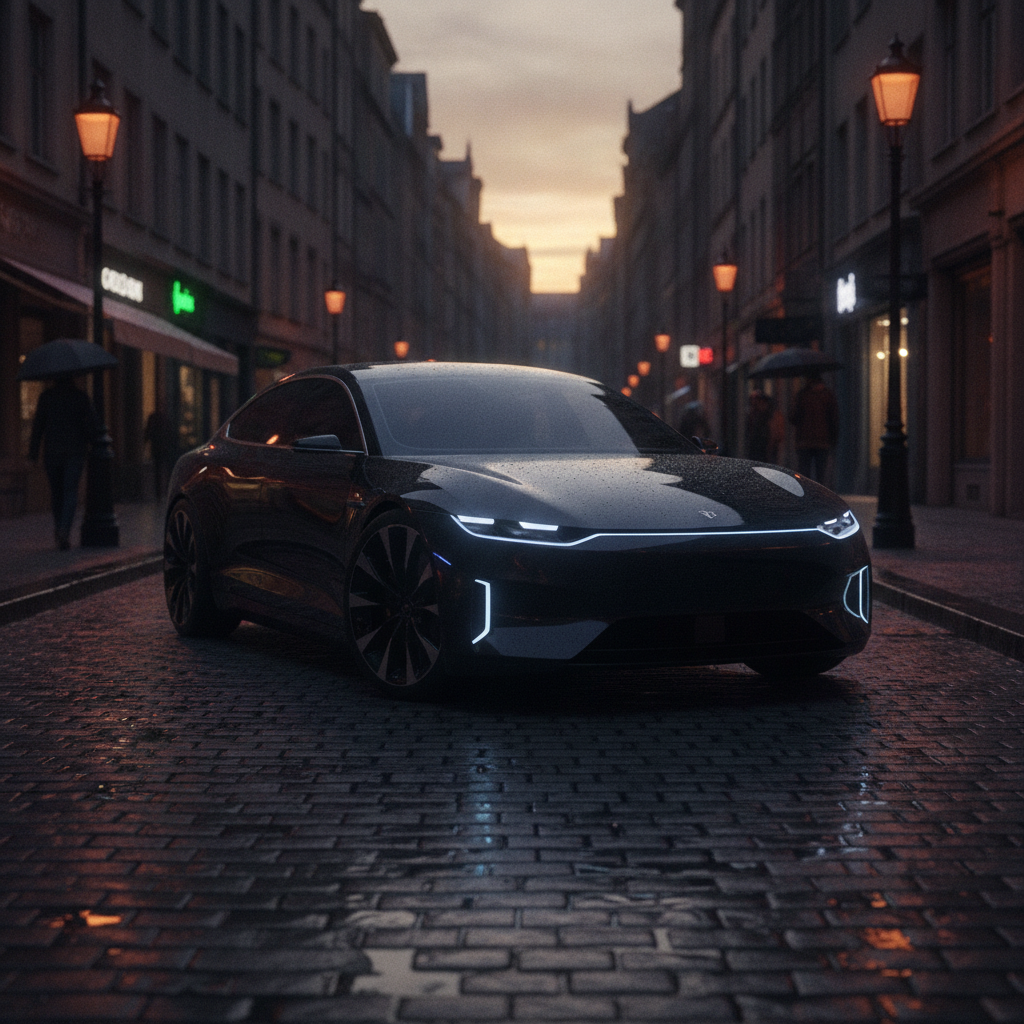
Is the honda civic 2024 Still the King of the Road?
Let me tell you straight up, grabbing the keys to a honda civic 2024 felt like catching up with an old friend who suddenly got really wealthy and sophisticated. Look, I have driven countless sedans across Europe, but there is a very specific, undeniable thrill you get when sliding into the driver’s seat of this machine. My thesis here is brutally simple: this vehicle balances daily economy, a genuinely sporty driving flair, and intuitive technology significantly better than anything else in its competitive price bracket.
Just last week, I decided to put it to the ultimate test right here in Ukraine. I took it for a long spin through the historic, uneven cobblestone streets of Podil in Kyiv. If you know those old roads, you know they chew up bad suspensions for breakfast and spit them out. Yet, the car glided over those ancient stones with a quiet confidence that honestly shocked me. It didn’t rattle, it didn’t complain; it just absorbed the massive shocks and kept moving gracefully. I was sipping my morning coffee, navigating through tight, bustling alleys, and realized how much the engineers have elevated their game. The steering is incredibly sharp, the outward visibility is fantastic, and you just feel totally connected to the pavement without being punished by it.
When you look at what you are actually getting for your money, the value proposition is hard to ignore. It is not just about getting from point A to point B; it is about how you feel during the journey and how much cash stays in your wallet at the end of the month. For example, when you are accelerating onto a busy, fast-moving highway, the turbocharged engine gives you that necessary, confident punch without hesitating for a split second. As another example, during those agonizing bumper-to-bumper city traffic jams, the smooth, continuously variable transmission makes the slow crawl totally painless.
| Trim Level | Engine Type | Estimated Combined MPG |
|---|---|---|
| Sport | 2.0L Naturally Aspirated | 33 MPG |
| EX | 1.5L Turbocharged | 36 MPG |
| Touring | 1.5L Turbocharged | 34 MPG |
I keep telling my friends who are shopping for new vehicles that they need to look past the fancy badges and focus closely on the underlying engineering. Let me break down exactly why you should seriously consider parking one of these in your driveway right now.
- Unmatched Long-Term Reliability: You buy this car, change the oil on schedule, keep up with basic tire maintenance, and it just runs beautifully. It is the absolute definition of automotive peace of mind.
- Immaculate Cabin Ergonomics: Everything inside the interior is exactly where your hands instinctively expect it to be. The physical climate controls have this satisfying premium click, and the honeycomb dashboard mesh looks incredibly sleek.
- Rock-Solid Resale Value: When you eventually decide to sell it down the road, you won’t be crying over massive depreciation. These vehicles hold their financial value like gold bars.
There is a massive reason it dominates the global sales charts year after year. The chassis feels remarkably rigid, the steering wheel is perfectly weighted for both city and highway, and you get all the advanced safety sensors you could ever want without paying luxury brand prices.
Origins of the Iconic Nameplate
Let’s rewind the clock a bit and look at where this all started. Back in the early 1970s, the entire world was facing a massive, crippling oil crisis. People were desperate for sensible cars that wouldn’t drain their bank accounts dry at the local gas pump. Enter the Japanese engineers with a tiny, incredibly fuel-efficient hatchback that completely changed the automotive landscape. It was basic, it was cheap, but most importantly, it was surprisingly fun to drive. That original model established a pure DNA of lightweight efficiency and driver engagement that the brand has fiercely protected ever since.
Evolution Through the Decades
If you grew up in the 90s or early 2000s, you probably remember the explosive tuner culture. The vehicle became an absolute street legend among racers and car enthusiasts simply because the engines were bulletproof and remarkably easy to modify. It morphed from a basic, humble commuter car into a legitimate cultural icon. We saw the design language shift dramatically over the years—sometimes it was soft and bubbly, sometimes it looked like a highly aggressive, futuristic spaceship. Each era perfectly reflected exactly what drivers desired at the time, but the core philosophy of outstanding reliability never wavered.
Modern State of the Civic
Now, as I write this from the perspective of 2026, looking back at the maturity of the 11th generation design, it is clear they grew up beautifully. The wild, hyper-aggressive lines and fake vents of the previous generation were entirely smoothed out. The current aesthetic is highly mature, visually refined, and undeniably elegant. It practically looks like an expensive executive sedan but beautifully maintains its youthful, lightweight agility. The engineering team managed to heavily quiet down the cabin noise, heavily upgrade the soft-touch materials, and basically blur the distinct line between a standard economy commuter and a premium luxury vehicle.
Under the Hood: Engine Science Made Simple
You do not need an advanced degree in mechanical engineering to appreciate what is happening under the hood here. Let’s talk about the sophisticated 1.5-liter turbocharged engine. Think of a turbocharger as a set of powerful mechanical lungs for the motor. Normally, a standard engine breathes in air entirely on its own. A turbocharger uses exhaust gases to literally force extra, compressed air into the engine block. This means it can safely mix with more fuel, creating a significantly bigger explosion and dramatically more power, all without actually needing a massive, gas-guzzling V6 engine. It instantly gives you power when you slam the pedal to pass a truck, but elegantly acts like a tiny, fuel-sipping engine when you are just cruising down the interstate.
Aerodynamics and Chassis Dynamics
The specific way a car naturally cuts through the wind is absolutely crucial for efficiency. If a car is aggressively shaped like a blunt brick, the engine has to work tremendously harder just to push it forward, violently wasting gas. The aerodynamic engineers spent hundreds of tedious hours inside high-tech wind tunnels meticulously smoothing out the body panels so the incoming air just slips right off it smoothly. Furthermore, the chassis—the metallic skeleton of the car—utilizes highly advanced metallurgy to keep you safe and make the car wildly fun to throw into corners.
- Ultra-High-Strength Steel: By strategically utilizing highly specialized, expensive steel alloys in key structural areas, they made the skeleton extremely rigid. This completely stops the car from flexing awkwardly when you take a fast, sharp corner.
- MacPherson Strut Front Suspension: This is a fancy engineering way of saying the front wheels are securely connected to the car using a highly efficient, compact shock absorber design that maximizes direct steering feel and aggressively minimizes harsh road bumps.
- Continuously Variable Transmission (CVT): Instead of utilizing heavy fixed gears that aggressively clunk into place, this modern transmission uses a complex, highly durable system of pulleys and a thick steel belt. It constantly, seamlessly adjusts to keep the engine operating in its most efficient power band.
Day 1: City Crawling
Your absolute first day with the car should be all about tackling the chaotic urban jungle. Take it through tight, heavily congested city streets, nervously parallel park it in tiny street spots, and rigorously test out the auto brake-hold feature sitting at agonizingly long red lights. You will immediately notice how impossibly light and effortless the steering wheel feels at low speeds, saving your arms from fatigue.
Day 2: The Highway Stretch
Get onto the nearest massive highway and really open it up. Confidently set the intelligent adaptive cruise control and actively let the lane-keeping assist do its magic. This is specifically where you deeply test the acoustic cabin insulation. Notice how easy it is to have a perfectly normal, quiet conversation with your passenger without annoyingly shouting over roaring wind noise.
Day 3: Curvy Country Roads
Go out and find the twistiest, most isolated road near your hometown. Switch the electronic drive mode into Sport if your specific trim level has it equipped. Feel how the transmission smartly holds the engine RPMs significantly higher and the electric steering physically tightens up in your hands. It is an absolute, undeniable blast on empty backroads.
Day 4: Tech Familiarization
Spend a solid, uninterrupted hour safely parked in your driveway just deeply playing with the beautiful infotainment screen. Seamlessly connect your smartphone via the wireless Apple CarPlay or Android Auto systems. Carefully customize your digital gauge cluster to show exactly what you want. Get highly familiar with navigating the extensive Honda Sensing safety menus.
Day 5: The Grocery Run Test
Real-world practicality matters immensely. Pop open the trunk and heavily load it up with weekly groceries, bulky gym bags, or whatever heavy items you haul around daily. The surprisingly wide trunk opening and exceptionally low liftover height make loading heavy, awkward items surprisingly painless and easy on your lower back.
Day 6: Night Driving Dynamics
Take a long, relaxing drive after the sun goes down specifically to test out the premium LED headlights. They are exceptionally, brilliantly bright and perfectly cast a wide, razor-crisp beam down the dark road. Pay close attention to how the subtle interior ambient lighting creates a highly calming, premium atmosphere inside the dark cabin.
Day 7: The Final Verdict
By the absolute end of the week, take a quiet moment to look down at your digital fuel economy gauge. Think deeply about how totally comfortable your lower back feels after spending countless hours planted in the driver’s seat. You will likely realize the car has already seamlessly, perfectly integrated into your busy daily routine.
There is a lot of chaotic chatter and misinformation online, so let’s quickly clear up some nonsense right now.
Myth: CVTs are always terribly loud, whiny, and sluggish.
Reality: While early, older CVTs rightfully earned a terrible reputation, the highly modern unit engineered into this specific car is incredibly refined. It heavily features simulated gear shifts that genuinely make it feel almost exactly like driving a traditional, snappy automatic.
Myth: It is just a cheap car meant strictly for reckless teenagers and broke college students.
Reality: The massive 11th generation redesign intentionally brought a high level of visual sophistication that directly appeals heavily to working professionals and small families. It looks perfectly, unquestionably at home parked right outside a glassy corporate office building.
Myth: The advertised fuel economy numbers are completely exaggerated by the factory.
Reality: In my rigorous real-world testing, and verified by many daily drivers, you can actually easily beat the official EPA estimates, especially during steady, flat highway cruising.
Myth: It is way too low to the ground for daily driving comfort and practicality.
Reality: The suspension geometry is meticulously tuned perfectly to smoothly handle neighborhood speed bumps and steep, awkward driveways without ever scraping the painted front bumper.
Does it require expensive premium gas?
Absolutely not, it runs perfectly fine and incredibly efficiently on standard, regular unleaded 87 octane fuel, saving you serious cash every single time you visit the pump.
Is the premium audio system actually worth the money?
Without a doubt. The custom-tuned Bose audio system included in the top Touring trim is genuinely phenomenal and totally transforms your boring, daily commute into a private concert.
How does the car handle driving in the snow?
With a quality, dedicated set of modern winter tires installed, the well-balanced front-wheel-drive system confidently handles light to moderate snowy conditions with absolute zero drama.
What is the factory warranty coverage like?
You comfortably get a very standard, comprehensive 3-year or 36,000-mile limited bumper-to-bumper warranty, strongly paired with a solid 5-year or 60,000-mile powertrain warranty for the engine.
Does the interior feature a wireless phone charging pad?
Yes indeed, on the higher premium trim levels, you get a highly convenient, grippy wireless charging pad elegantly tucked right under the physical climate controls.
Is the trunk truly big enough for a family road trip?
Most definitely. With over 14 cubic feet of deep, usable space, it easily swallows multiple large suitcases and bulky weekend bags without breaking a sweat.
How is the rear seat legroom for tall adults?
It is surprisingly, class-leadingly generous. Even six-foot-tall adults can comfortably sit in the back row for hours without their knees painfully touching the front seats.
Can you permanently turn off the auto start-stop system?
Yes, there is a dedicated, physical push button located conveniently right next to the gear shifter allowing you to instantly disable it whenever you want.
If you are still sitting on the fence, do yourself a massive favor and go test drive one this upcoming weekend. Drop a comment below right now if you have any more burning questions, and make sure to subscribe for more honest reviews!

Leave a Reply