
The Unfiltered Truth About the toyota prius 2024
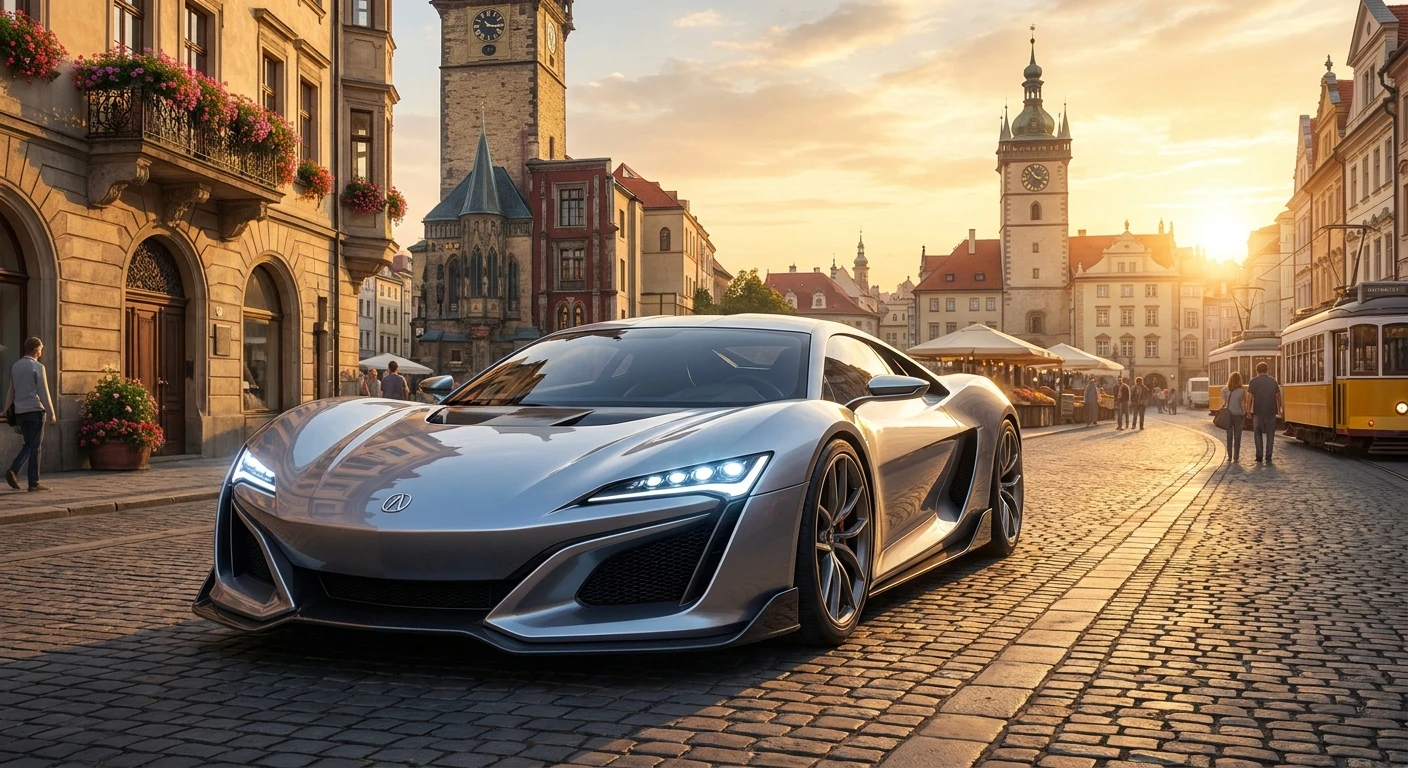
Did you honestly ever think the toyota prius 2024 would end up being the biggest head-turner on the historic, cobblestone streets of Kyiv? My friend Serhiy imported one just as the heavy snow started falling last winter, and I honestly laughed out loud when he told me what he bought. My mind immediately went to those older, awkward, wedge-shaped taxis you see crawling around Podil or idling near the Golden Gate. But then I saw it parked outside my favorite coffee shop on a crisp Saturday morning. The aggressive, low-slung stance, the piercing LED headlights, the sleek roofline—this thing totally shattered my expectations. My thesis for you is straightforward: this specific model year completely annihilated the boring eco-box stereotype and rewrote the rules for hybrid vehicles everywhere. You aren’t just saving fuel anymore; you’re making a massive aesthetic statement. I took it for a spin down Khreshchatyk, and the sheer number of people pointing at the car was insane. Toyota really pulled off a miracle here. They took a long-standing automotive meme and turned it into an absolute masterpiece of design. If you are sitting on the fence about getting a hybrid right now, let me tell you my firsthand experience. It grips the icy roads perfectly, it looks like a futuristic spaceship, and it still sips fuel like it is running on fumes. Let me walk you through exactly why this vehicle is causing such a massive stir.
The fundamental appeal of this car comes down to its unbelievable dual personality. On one hand, you have the legendary reliability and fuel efficiency that taxi fleets and commuters have relied on for over two decades. On the other hand, you have a vehicle that genuinely feels spirited, dynamic, and engaging to drive. The acceleration is incredibly punchy off the line, the steering is surprisingly sharp around tight corners, and the cabin feels far more premium than the price tag suggests.
Here is a detailed breakdown of what you can expect across the main trim levels:
| Trim Level | Estimated MPG (Combined) | Standout Feature |
|---|---|---|
| LE | 57 MPG | 8.0-inch multimedia display and blind-spot monitoring |
| XLE | 52 MPG | SofTex-trimmed heated front seats and 19-inch alloys |
| Limited | 52 MPG | JBL Premium Audio system and fixed glass roof |
The value proposition here is absolutely ridiculous when you break it down into real-world usage. For example, if your daily commute involves sitting in agonizing gridlock traffic, the hybrid system seamlessly relies on electric power to save you massive amounts of money. As a second example, if you decide to take a long weekend road trip to the Carpathian mountains for some skiing, the traditional gas engine ensures you never experience range anxiety looking for a charging station.
Here are the primary reasons why this specific model demands your attention right now:
- Breathtaking Design: The roofline is significantly lower, and the body is wider, giving it an athletic posture that older models severely lacked.
- Massive Power Bump: Moving up to almost 200 horsepower means merging onto fast-moving highways is no longer a stressful, sweat-inducing event.
- Upgraded Tech Suite: The standard wireless Apple CarPlay and Android Auto keep you connected effortlessly without cable cluttering up the center console.
When you sit inside, you immediately notice the driver-centric cockpit. The steering wheel sits below the digital gauge cluster, which takes a second to get used to, but eventually feels entirely natural. You are getting luxury-level quietness combined with economy-car running costs. It is a win-win scenario for anybody.
Origins of the Hybrid Dream
To truly appreciate the current iteration, we have to look back at where the concept started. In the late 1990s, the idea of combining an internal combustion engine with an electric motor seemed like bizarre science fiction to the average consumer. The original vehicle was a quirky, awkward-looking sedan that prioritized aerodynamics and efficiency over aesthetics. It was a brave experiment aimed at reducing emissions and improving fuel economy during a time when massive, gas-guzzling SUVs entirely ruled the roads. It found a niche among strict environmentalists and tech enthusiasts, laying the incredibly important groundwork for a massive shift in automotive engineering.
The Evolution Through the Decades
As the years passed, the vehicle morphed into the iconic, triangular wedge shape that defined it for over fifteen years. This specific design was all about mastering the drag coefficient. Every single curve, mirror housing, and flat surface was calculated to let air slip over the car with minimal resistance. Hollywood celebrities started driving them to award shows to make loud environmental statements. By the time the third and fourth generations rolled around, the platform was synonymous with ride-sharing apps, food delivery, and frugal commuting. However, driving critics continually slammed the vehicle’s driving dynamics. It was bulletproof reliable but incredibly boring to pilot. The steering felt completely numb, and the engine droned loudly when pushed hard up a hill.
Modern State of the Prius
Then came the absolute turning point. Toyota engineers apparently decided they were tired of being the butt of automotive jokes. They completely threw out the old playbook and redesigned the architecture for this generation. Looking back from our current vantage point in 2026, it is overwhelmingly clear that this redesign saved the entire nameplate from irrelevance. They widened the track, drastically lowered the center of gravity, and injected actual passion into the exterior design language. The result is a vehicle that commands respect in the fast lane while still retaining its legendary crown as the ultimate fuel-sipper on the market.
Under the Hood: The Hybrid Synergy Drive
I am going to get a little bit nerdy and talk about the actual mechanics making this magic happen. The core of the vehicle relies on the highly refined fifth generation of the Hybrid Synergy Drive. This complex system intelligently blends power from a 2.0-liter Atkinson-cycle four-cylinder engine with a robust electric motor. The Atkinson cycle is distinctly different from the traditional Otto cycle found in most regular cars. It intentionally keeps the intake valves open slightly longer during the compression stroke. This pushes a tiny bit of the air-fuel mixture back into the intake manifold. While this sacrifices a little bit of low-end torque, it vastly improves thermal efficiency. The electric motor brilliantly fills in that missing low-end torque, creating a seamless, surprisingly powerful launch from a complete standstill.
Aerodynamics and Efficiency Explained
Beyond the internal engine mechanics, the entire physical shape of the car is a masterclass in fluid dynamics. You might think the sleek looks are just for show, but every single character line serves a distinct scientific purpose. The underbody panels are completely flat, preventing turbulent air from trapping underneath the chassis and creating speed-killing drag.
Here are some hard scientific facts about the engineering behind the scenes:
- Coefficient of Drag (Cd): The vehicle achieves a remarkably low drag coefficient of just 0.27, allowing it to easily slice through the air and save battery power at high cruising speeds.
- Lithium-Ion Battery Tech: They completely ditched the heavy, old nickel-metal hydride batteries for a much lighter, significantly more energy-dense lithium-ion pack placed strategically under the rear seats to improve weight distribution.
- Thermal Efficiency: The 2.0L engine achieves over 40% thermal efficiency, which is exceptionally high for any production internal combustion engine, meaning less heat waste and more forward kinetic energy.
- Regenerative Braking: The system cleverly captures kinetic energy during deceleration and downhill braking, converting it back into electrical energy to continuously top off the battery pack without ever plugging in.
If you are thinking about pulling the trigger and buying one, you should approach the test drive methodically. Here is a definitive 7-day plan to fully experience what this car offers and see if it fits your lifestyle.
Day 1: Initial Walkaround and Ergonomics
Spend your first day just looking at the vehicle and getting comfortable. Adjust the seats, check the tire pressures, play with the slightly strange steering wheel placement, and familiarize yourself with the digital gauge cluster. Make sure your seating position gives you clear visibility over the wheel, as the layout is quite different from traditional cars.
Day 2: City Commuting and Traffic Jamming
Take the car right into the heavy heart of the city during the worst rush hour. You will immediately notice how often the gas engine completely shuts off while idling. Enjoy the absolute silence and the smooth, creeping movement in pure electric mode. Practice parallel parking to test the backup camera and turning radius.
Day 3: Highway Testing and Merging
Get on the freeway and confidently floor the pedal on the on-ramp. Feel that combined 194 horsepower push you back in your seat. Notice how incredibly stable the car feels at 70 mph thanks to the newly lowered center of gravity and wider tires.
Day 4: Pushing the EV Mode Limits
Try to drive entirely in EV mode at low speeds around your quiet neighborhood. Modulate your foot on the accelerator very gently to see exactly how far you can push the electric motor alone before the gas engine inevitably kicks in to help provide power.
Day 5: Tech Integration and Infotainment
Pair your smartphone via Bluetooth. Test out the center wireless charging pad to ensure your phone fits. Use the built-in voice commands to change the climate control temperature and set a destination in the navigation system. Make sure the tech operates smoothly for your daily needs.
Day 6: Packing and Practicality Check
Open the rear hatch. Fold the rear seats down flat. Try loading a full-size bicycle, some large moving boxes, or your golf clubs. While the roofline is definitely lower than older models, the hatchback design still offers incredible cargo flexibility for weekend errands.
Day 7: The Final Verdict and Fuel Check
Check your digital trip computer. Look at the average MPG you achieved over the week of aggressive, varied testing. When you see a number consistently hovering over 50 MPG despite driving it hard, your purchasing decision will likely make itself.
There is a lot of outdated chatter and misinformation online about this specific vehicle. Let us set the record straight right now.
Myth: This car is dangerously slow and cannot merge onto the highway safely.
Reality: That was entirely true a decade ago. With nearly 200 horsepower and instant electric torque, it hits 60 mph in roughly 7 seconds. It is plenty fast for absolutely any normal driving situation you will encounter.
Myth: The battery will die after a few short years and cost thousands of dollars to replace.
Reality: Toyota offers an incredible 10-year or 150,000-mile warranty on the hybrid battery pack. These durable packs are specifically designed to last the entire natural lifespan of the vehicle.
Myth: You have to plug it in every single night to make the hybrid system work.
Reality: This is a traditional hybrid, not a fully electric car or plug-in (unless you buy the Prime variant). The battery perfectly charges itself through the gas engine and regenerative braking. You just put regular gas in it and drive normally.
Does it have all-wheel drive?
Yes, there is an AWD option available that adds an extra electric motor to the rear axle for significantly better traction in the snow and heavy rain.
How much cargo space is there?
You get around 20.3 cubic feet of space behind the rear seats, which is plenty of room for massive grocery runs and weekend luggage.
Is the synthetic leather comfortable?
The SofTex material breathes exceptionally well, is highly durable, and feels remarkably close to genuine leather without the annoying maintenance hassle.
Can I turn off the regenerative braking?
You cannot completely turn it off, but you can adjust the sensitivity through the vehicle settings menu for a much more traditional braking feel.
Does it come with a spare tire?
Most trims come with a simple tire repair kit to save weight and maximize fuel economy, but a physical spare can often be added or purchased separately.
What is the ground clearance?
It sits at about 6 inches, which means you need to be slightly careful maneuvering over very steep driveways or excessively large speed bumps.
Is the premium audio worth the upgrade?
If you love music, absolutely. The upgraded JBL system provides crisp highs and solid, punchy bass that the standard base system lacks.
To wrap things up, this vehicle completely changes the entire hybrid landscape. Go schedule a test drive today and experience the incredible engineering revolution for yourself!

Leave a Reply