
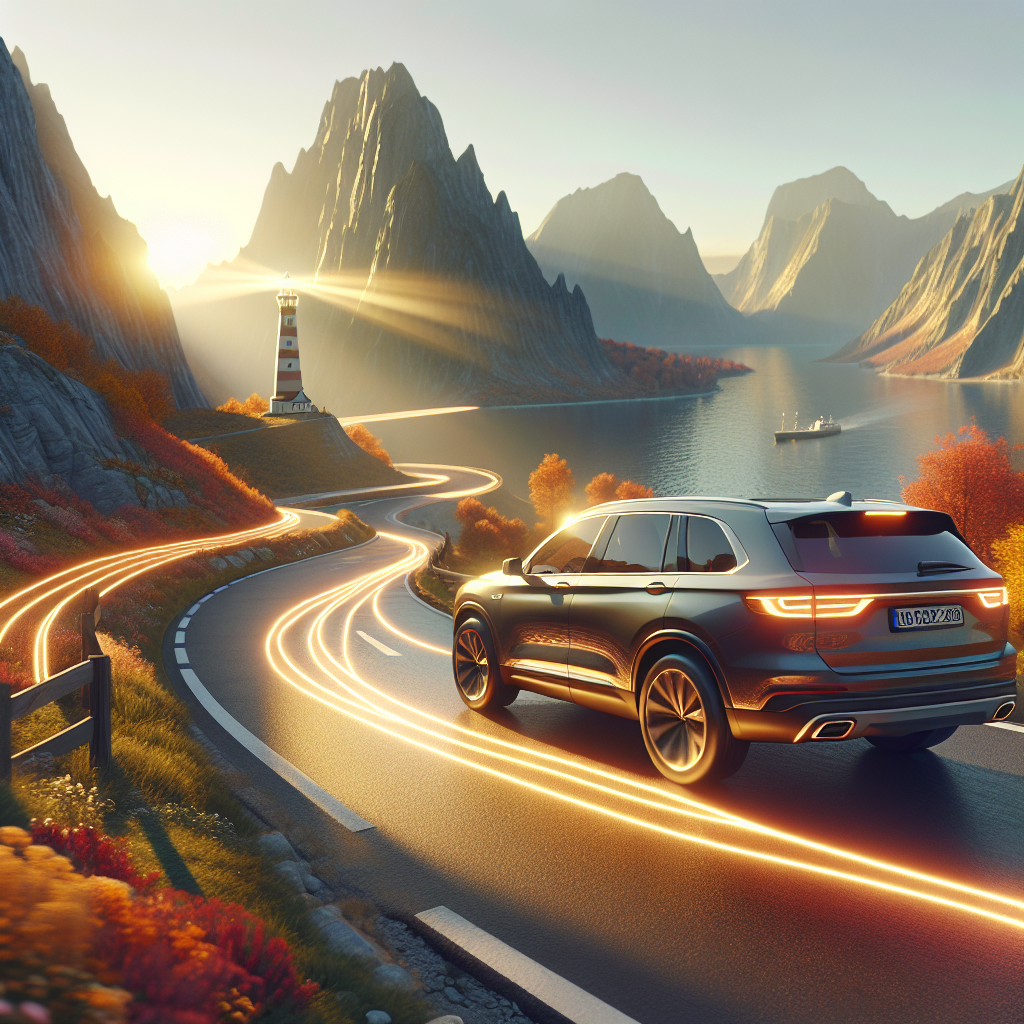
Finding the Best 7 Seater SUV Canada Has to Offer
Trying to figure out the absolute best 7 seater suv canada offers for your growing family right now? You are definitely not alone. Road trips through the Canadian Rockies or cottage country in Ontario are supposed to be fun, but they quickly turn into a total nightmare when everyone is crammed into the back seat of a tiny sedan with zero legroom. I remember a specific trip up the Coquihalla Highway during an unexpected snowstorm. We were squeezed into an older, compact crossover, completely freezing, with bags piled up to our chins because the trunk was too small. The tension was unbelievable. You genuinely need massive space, rock-solid all-wheel drive, and unwavering reliability when navigating our unpredictable climate.
Getting your hands on the right large family hauler completely rewrites how you travel. It provides breathing room for every passenger, secures your excessive amount of gear, and never forces you to sacrifice comfort for utility. When you upgrade your ride, those endless hours driving to Banff or Muskoka stop feeling like a punishment and actually become an enjoyable part of the vacation. The exact layout, seating configuration, and suspension setup dictate whether your kids sleep soundly or complain the entire ride. Let us walk through exactly what makes a massive vehicle worth your hard-earned money and how to navigate the current market without getting scammed.
Decoding the Core Features of a Proper Family Hauler
What specifically makes an SUV ideal for the harsh environments we deal with? Ground clearance, advanced AWD systems, aggressive cabin heating technology, and actual, usable third-row legroom. Now that we are navigating the trends of 2026, advanced hybrid powertrains and fully electric options are dominating the lots, yet traditional gas-powered beasts still hold immense value for remote, off-the-grid trips where charging infrastructure is sparse. You have to balance daily school run efficiency with the raw power needed for hauling a boat up north.
| Top Contender | Powertrain Type | Max Cargo Space (Liters) |
|---|---|---|
| Kia Telluride | 3.8L V6 Gas | 2,455 |
| Toyota Highlander Hybrid | 2.5L 4-Cyl Hybrid | 2,387 |
| Volkswagen Atlas | 2.0L Turbo 4-Cyl | 2,741 |
| Hyundai Palisade | 3.8L V6 Gas | 2,447 |
The core value proposition here is simple: you buy versatility. You get the ruggedness of a truck combined with the passenger capacity of a minivan, all wrapped in a genuinely attractive package. Take the Kia Telluride, for example. It gives you a legitimate luxury-level interior, acoustic glass for a quiet ride, and features that normally cost double in German rivals. On the flip side, the Toyota Highlander Hybrid offers unbelievable fuel economy, drastically cutting down your monthly gas budget while still moving seven people effortlessly through a blizzard.
- Assess total cargo needs with all seats upright: Most vehicles have terrible trunk space when the third row is in use. Bring your largest stroller to the dealership to test it.
- Verify the exact AWD capabilities: Do not just accept a basic slip-and-grip system. Look for genuine torque-vectoring all-wheel drive that pushes power to individual wheels when stuck in deep snow.
- Test third-row accessibility yourself: Climb back there. If a grown adult cannot easily slide past the second row, your kids will struggle to get back there quickly during the morning school rush.
- Inspect the climate control zones: Ensure there are dedicated air vents and heating controls for the passengers sitting way back in the third row.
Origins of the Family Hauler
The whole concept of hauling seven people used to mean buying a massive, wood-paneled station wagon. Back in the 1970s and 80s, families squeezed into these heavy, rear-wheel-drive boats that handled terribly in the snow and offered zero safety features. Then came the minivan revolution. Minivans dominated suburban driveways because they were highly practical, but they entirely lacked the rugged aesthetic and ground clearance necessary for active, outdoor lifestyles or severe weather driving. People wanted something that looked tough but still carried the whole hockey team.
Evolution of the SUV Market
In the late 1990s and early 2000s, body-on-frame SUVs like the Ford Explorer and Chevy Tahoe took over. They were essentially pickup trucks with an enclosed bed. They could tow massive weights and handle off-road trails, but they guzzled gas at an alarming rate and drove like farm equipment. The ride was bumpy, the steering was vague, and they were difficult to park in tight city spaces. The auto industry realized that 95% of buyers never went off-roading; they just wanted the high seating position, the safety perception, and the space.
Modern State of Three-Row Vehicles
This realization birthed the modern crossover utility vehicle (CUV). Built on car-like unibody platforms, today’s three-row vehicles offer smooth, car-like handling, radically better fuel efficiency, and vast interior volumes. They utilize high-strength steel to keep weight down while maximizing crash safety. Now, we see enormous panoramic sunroofs, autonomous driving aids on the highway, and massive digital displays replacing analog dials. The current era represents the absolute peak of family transportation engineering, blending luxury, capability, and efficiency.
The Aerodynamics of Boxy Vehicles
Moving a massive, seven-passenger metal box through the air at 120 km/h requires brilliant engineering. Early SUVs had the aerodynamic profile of a brick, leading to terrible wind noise and horrendous fuel consumption. Modern engineers spend thousands of hours in wind tunnels tweaking drag coefficients (Cd). By sloping the windshields, adding active grille shutters that close at highway speeds to reroute air, and sculpting the underbelly to be perfectly flat, they manage to drop the Cd to levels previously seen only on sedans. This directly translates to saving you massive amounts of money at the pump while keeping the cabin library-quiet.
Thermodynamics in Winter Cabin Heating
Keeping a massive cabin warm in a minus 30-degree Canadian winter is a serious scientific challenge. Traditional gas engines generate a ton of waste heat, which easily warms the interior. However, hyper-efficient hybrid engines run so cool that generating enough heat for three rows becomes difficult. Engineers solve this using advanced PTC (Positive Temperature Coefficient) electric heaters and highly complex heat pump systems that draw ambient thermal energy from the outside air, compress it, and pump it inside. This ensures the third-row passengers do not freeze while waiting for the engine block to warm up.
- Drag coefficients: Many modern three-row haulers boast a Cd of around 0.32, vastly superior to the 0.45+ seen twenty years ago.
- Thermal efficiency: Modern Atkinson-cycle hybrid engines achieve over 40% thermal efficiency, meaning less wasted energy and better fuel mileage.
- Unsprung mass reduction: Using forged aluminum suspension components instead of heavy steel allows the wheels to react faster to potholes, drastically improving ride comfort for rear passengers.
- Acoustic engineering: Active noise cancellation works exactly like high-end headphones, utilizing internal speakers to emit inverted sound waves that perfectly cancel out engine drone and road noise.
Day 1: Define Your True Budget
Do not just look at the monthly payment. Calculate the total cost of ownership over five years. Factor in the specific fuel costs based on your weekly mileage, estimate routine maintenance (brakes, oil, tires), and absolutely check the depreciation rates. A slightly more expensive vehicle upfront might actually save you thousands when you sell it later because it holds its resale value better.
Day 2: Measure Your Garage
You would be shocked by how many people buy a massive vehicle and realize it does not fit in their driveway or garage. Grab a tape measure. Check the exact length and width of the vehicle online, then measure your physical space. Remember to account for the width of the doors swinging open. You need enough room to physically pull the kids out of their car seats without slamming your doors into the wall.
Day 3: Analyze the Third Row Space
Go to the dealership purely to climb around the back. Do not even turn the key yet. Sit in the driver’s seat and adjust it for yourself. Then, sit in the second row directly behind it. Finally, crawl into the third row. If your knees are buried in your chest or your head hits the roof, cross that vehicle off your list immediately. The space must be usable for your specific family members.
Day 4: Evaluate Fuel vs Hybrid Options
Do the math on the hybrid premium. If a hybrid model costs $4,000 more upfront, but saves you $1,000 a year in gas, the payback period is four years. If you plan to keep the car for eight years, the hybrid is a massive financial win. However, if you primarily do short trips in extreme cold, the hybrid battery might rarely reach optimal efficiency, changing the math entirely.
Day 5: The Dealership Test Drive Strategy
Never let the salesperson dictate the route. Plan a test drive that mimics your actual life. Find a rough, pothole-filled road to test the suspension. Take it on the highway to check for wind noise and passing power. Park it in a tight grocery store parking lot to test the turning radius and the 360-degree camera systems. You are making a huge investment; test it thoroughly.
Day 6: Insurance Quotes and Financing
Call your insurance broker before you sign anything. Large vehicles with massive safety sensor suites are expensive to repair, which can spike your premiums. Simultaneously, shop your financing rate at your local bank or credit union before walking into the dealership’s finance office. Having a pre-approved rate gives you immense leverage when negotiating the final numbers.
Day 7: Final Negotiation and Purchase
Focus entirely on the out-the-door total price, never the monthly payment. Dealerships can manipulate months and interest rates to make a terrible deal look affordable. Decline the wildly overpriced dealer add-ons like nitrogen in the tires, fabric protection, and pin-striping. Stay firm, be willing to walk away, and sign the paperwork only when the numbers perfectly align with your budget.
Common Myths About Large Family Vehicles
Myth: Third rows are comfortable for adults.
Reality: With very few exceptions, the third row in most mid-size SUVs is strictly designed for small children, teenagers, or extremely short trips across town. They simply lack the thigh support and headroom required for adult comfort on a road trip.
Myth: Bigger SUVs always use massive amounts of gas.
Reality: Advanced engineering and hybrid powertrains have completely revolutionized fuel efficiency. You can now drive a massive seven-passenger hybrid that gets better fuel economy than a tiny compact sedan from ten years ago.
Myth: AWD means you absolutely do not need winter tires.
Reality: All-wheel drive only helps you accelerate and avoid getting stuck. It does absolutely nothing to help you stop or steer on a sheet of black ice. Dedicated winter tires are mandatory for genuine safety.
Myth: You need a V8 engine to tow anything substantial.
Reality: Modern turbocharged four-cylinder and V6 engines produce immense low-end torque, allowing many of these unibody crossovers to comfortably and safely tow up to 5,000 pounds.
Myth: Captain’s chairs in the second row are always the better choice.
Reality: While they provide easy access to the back, they reduce your maximum seating capacity to six. If you have three kids, putting them all in a second-row bench often makes more sense for cargo management.
Are 7 seaters actually safe?
Yes, incredibly safe. They feature massive crumple zones, abundant airbags covering all three rows, and advanced collision avoidance systems that actively brake for pedestrians and other vehicles.
Which brand is generally most reliable?
Japanese brands like Toyota and Honda consistently rank at the top for long-term reliability and low maintenance costs over a ten-year ownership span.
Do I really need captain’s chairs?
Only if you value separating bickering siblings and prioritize easy access to the third row over maximizing your total passenger headcount.
How much cargo space is left when all seats are up?
Usually very little. Expect roughly 450 to 600 liters, which fits about four bags of groceries or two small carry-on suitcases.
Are insurance rates naturally higher for three-row vehicles?
Not necessarily. While they cost more to repair, they are heavily driven by cautious parents, resulting in fewer high-speed accidents, which keeps insurance actuarial tables favorable.
Can I fit three bulky car seats across the second row?
In vehicles with a flat second-row bench like the Volkswagen Atlas or Honda Pilot, yes, you can fit three narrow-profile car seats side-by-side.
Is a hybrid powertrain worth the extra upfront cost?
If you drive heavily in stop-and-go city traffic where regenerative braking shines, yes. If you mostly drive on flat highways at high speeds, a traditional gas engine might be more cost-effective.
Choosing the ultimate vehicle for your family comes down to brutal honesty about your daily routine, your cargo needs, and your real budget. Stop compromising your comfort on long trips. Take your time, test drive the models that catch your eye, measure the cargo hold yourself, and secure a deal that works for you. Get out there, book those test drives today, and elevate your family road trips forever!

Leave a Reply