
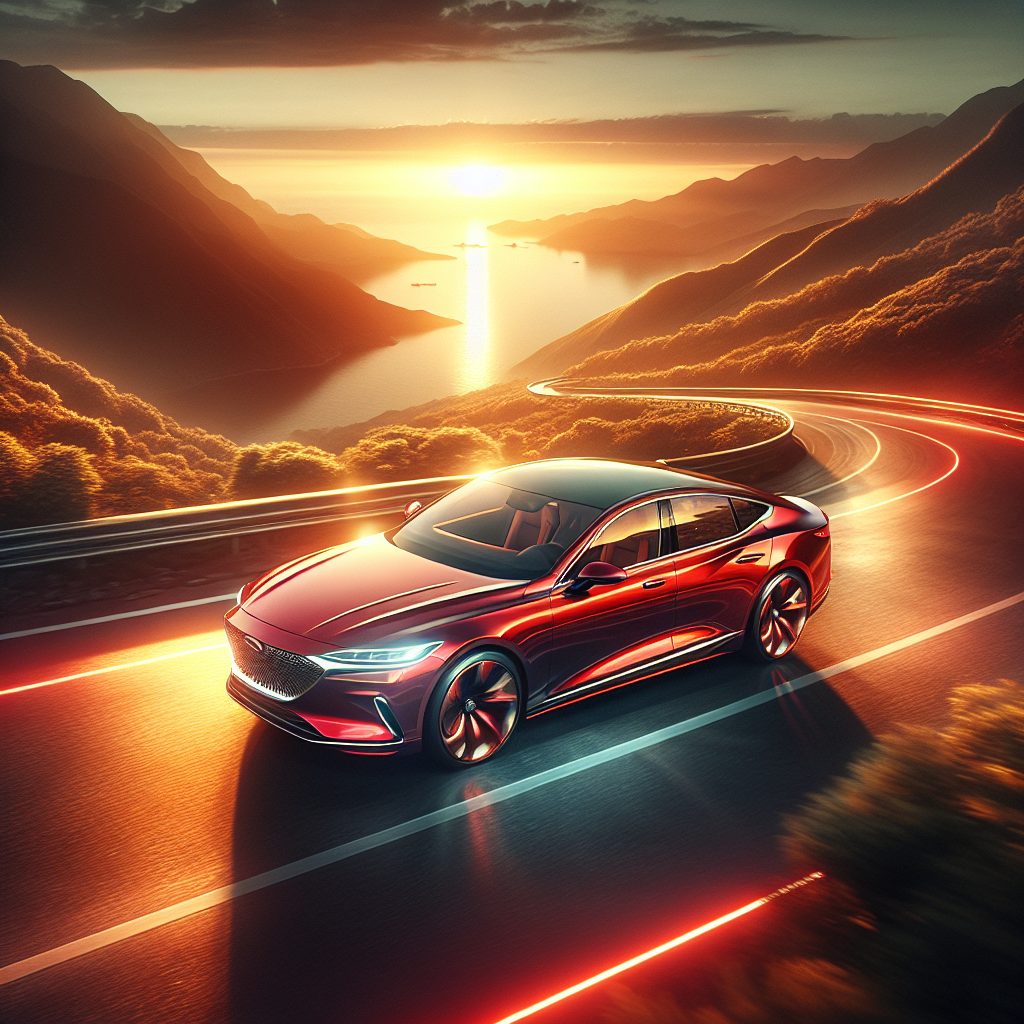
Why the 2018 Mazda 3 Remains a Masterpiece on Wheels
Have you ever wondered why the 2018 Mazda 3 continues to hold its value and steal the spotlight from much newer cars on the road? It’s pretty crazy when you think about it. You pull up to a stoplight, and this sleek, sculpted machine catches your eye, completely hiding the fact that it rolled off the assembly line nearly a decade ago. I actually vividly remember taking my buddy’s metallic Soul Red 2018 Mazda 3 for a spin through the winding, unpredictable roads near the Carpathian mountains back in Ukraine. Navigating those tight turns past Yaremche on a brisk autumn morning, the car felt completely glued to the tarmac. It didn’t just drive; it communicated with me, offering a level of feedback you usually only get from purebred sports cars.
Even now, as we navigate the automotive landscape of 2026, finding a clean, well-maintained third-generation model feels like hitting the jackpot. The thesis here is simple: this vehicle isn’t just another budget commuter built to get you from point A to point B. It is a dedicated enthusiast’s daily driver that simply happens to be disguised as an incredibly practical family vehicle. It bridges the gap between thrilling weekend toy and reliable grocery-getter, proving that you do not need to sacrifice joy for utility.
The Core Value: The Ultimate Driving Machine on a Budget
When we look closely at what makes this specific model year so incredibly special, it all comes down to the perfect balance of engineering, aesthetics, and raw affordability. The 2018 Mazda 3 essentially perfected the third-generation formula just before the major redesign. It ironed out earlier quirks, introduced standard low-speed automatic braking across all trims, and polished the driving dynamics to an absolute mirror finish. Whether you are stuck in grinding city traffic or carving through empty backroads on a Sunday morning, the chassis responds with an eagerness that is entirely absent in its direct competitors.
To really understand the sheer value proposition here, let’s break down how the different trim levels stack up against each other. This is crucial if you are hunting the used market.
| Trim Level | Engine Output | Wheel Size | Standout Features |
|---|---|---|---|
| Sport | 155 horsepower (2.0L) | 16-inch steel/alloy | Push-button start, Smart City Brake |
| Touring | 184 horsepower (2.5L) | 18-inch alloy | Leatherette seats, Blind-spot monitoring |
| Grand Touring | 184 horsepower (2.5L) | 18-inch alloy | Head-up display, Leather, Bose audio |
Beyond the raw specs, the true value of the 2018 Mazda 3 lies in the experiential benefits. For instance, the Touring trim hits an incredible sweet spot. You get the punchy 2.5-liter engine, which transforms highway passing from a nervous chore into a breeze, plus heated seats that are an absolute lifesaver during freezing winter commutes. The Grand Touring adds that premium flair, making you question why anyone would pay double for an entry-level German luxury sedan when this exists.
If you are on the fence, here are the top reasons to pull the trigger:
- Timeless Kodo Design: The exterior styling simply refuses to age, characterized by flowing lines and an aggressive stance that makes it look fast even while parked.
- Exceptional Reliability: The naturally aspirated engines sidestep the costly maintenance issues often associated with small-displacement turbocharged motors found in rivals.
- Upscale Interior Materials: Soft-touch plastics, tactile climate controls, and a minimalist dashboard layout create a cabin environment that punches way above its weight class.
Origins of the Zoom-Zoom Era
To truly appreciate this vehicle, we have to look back at the origins of the brand’s unique philosophy. The “Zoom-Zoom” ethos wasn’t just a catchy marketing gimmick; it was a fundamental shift in how the manufacturer approached building mass-market automobiles. Before the 3 series existed, there was the Protege—a great little car, but one that didn’t quite capture the emotional connection the brand wanted to establish. In the early 2000s, they decided to inject sports-car DNA into an everyday compact chassis. That bold decision paved the way for everything that followed, setting a completely new benchmark for handling in the segment.
Evolution Through the Decades
The journey from the first generation to the 2018 model is a fascinating tale of engineering refinement. The first iteration was a riot to drive but suffered from notorious rust issues and poor fuel economy. The second generation, characterized by its infamous “smiling” grille, fixed many structural flaws but polarized buyers with its quirky styling. Then came the third generation in 2014, marking a complete divorce from Ford’s underlying architectures. It was a clean-sheet design based entirely on in-house Skyactiv technology. By the time the 2018 version rolled out, it represented the absolute pinnacle of this generation—the culmination of years of minor tweaks, sound-deadening improvements, and suspension tuning.
Modern State of the Third Generation
Today, the 2018 Mazda 3 occupies a legendary space in the used car market. It is highly sought after by young professionals, car enthusiasts needing a reliable daily, and families looking for a safe, dependable runabout. Its lack of complex hybrid systems or over-stressed turbochargers means that finding a high-mileage example isn’t a terrifying prospect. As long as the oil was changed regularly, these cars routinely sail past the 200,000-mile mark without breaking a sweat, solidifying their status as a modern classic in the making.
Decoding Skyactiv Engineering
What actually makes this car tick? The secret sauce is the Skyactiv suite of technologies. Unlike other manufacturers who rushed to bolt turbochargers onto tiny engines to meet emissions standards, the engineers here took a radically different path. They optimized every single component of the naturally aspirated internal combustion engine, the transmission, and the chassis to work in perfect harmony. They essentially reinvented the wheel by pushing traditional physics to their absolute limits without relying on artificial aspiration.
G-Vectoring Control Explained
Perhaps the most brilliant piece of invisible technology in the 2018 Mazda 3 is G-Vectoring Control (GVC). When you turn the steering wheel, the engine momentarily and imperceptibly reduces torque. This subtle shift in power transfers weight to the front tires, increasing their grip on the road and sharpening the turn-in response. It sounds like a tiny change, but it drastically reduces driver fatigue on long trips because you make far fewer micro-corrections at the steering wheel. It’s automotive wizardry operating entirely behind the scenes.
Let’s look at some cold, hard technical facts that make this possible:
- Extreme Compression Ratio: Operating at an incredibly high 13.0:1 compression ratio, the engine extracts maximum energy from every drop of fuel, mimicking diesel-like efficiency in a gasoline format.
- 4-2-1 Exhaust System: This specialized exhaust manifold prevents hot exhaust gases from re-entering the cylinders, eliminating engine knock at such high compression levels.
- High-Tensile Steel Body: Over 60% of the chassis is constructed from ultra-high-tensile steel, resulting in a frame that is both lighter and dramatically stiffer than the previous generation.
- Lock-up Clutch Transmission: The 6-speed automatic utilizes a multi-plate lock-up clutch for 89% of its operation, delivering the direct, connected feel of a manual transmission.
Day 1: The Deep Diagnostic Walkaround
If you’ve just picked up a used 2018 Mazda 3, or you want to restore yours to factory glory, you need a solid plan. Start your first day with a comprehensive inspection. Check the oil level and color, inspect the serpentine belt for micro-cracks, and closely examine the tire tread depth. This is also the perfect time to plug in an OBD2 scanner, even if there are no warning lights on the dash. You want to establish a baseline of the vehicle’s health before you start modifying or maintaining anything else.
Day 2: Breathing New Life into the Infotainment
The original Mazda Connect system in 2018 was decent, but you can dramatically modernize the car by installing the official Apple CarPlay and Android Auto retrofit kit. You’ll spend day two carefully removing the center console trim, routing the new, higher-amperage USB cables from the dashboard down to the armrest, and updating the firmware via a USB drive. Taking your time here ensures you don’t snap any fragile plastic clips, and the result completely transforms your daily commute with modern navigation and media controls.
Day 3: Paint Correction and Soul Red Protection
Mazda’s paint, especially the stunning Soul Red Metallic, is notoriously thin and prone to chipping. Spend day three washing, clay-barring, and performing a single-stage machine polish to remove swirl marks from the clear coat. Once the paint looks like glass, apply a high-quality ceramic coating. This invisible shield will protect that gorgeous, deep metallic finish from UV rays, bird droppings, and harsh road salts for years to come.
Day 4: Revitalizing the Suspension Components
By now, a 2018 model might have suspension bushings that are starting to show their age. Get the car up on jack stands and inspect the front lower control arms, the sway bar end links, and the rear shock absorbers. If things feel a bit wallowy, swapping in fresh OEM-equivalent dampers or a mild set of lowering springs will instantly restore that legendary Zoom-Zoom steering response and cornering stability.
Day 5: Stopping Power and Brake Calibration
Never neglect the brakes. On day five, remove the wheels and inspect the pad thickness and rotor condition. If you notice any steering wheel vibration when braking, it’s time for new rotors and ceramic brake pads. Flush the old brake fluid out of the system and replace it with fresh DOT 3 or DOT 4 fluid. A firm, responsive brake pedal is essential for confident driving, especially if you enjoy pushing the car on twisty backroads.
Day 6: Interior Rejuvenation Masterclass
Move inside the cabin for day six. Grab a dedicated interior cleaner and a detailing brush to get the dust out of the air vents and the tight crevices around the gear selector. If your model has the leather or leatherette seats, apply a premium conditioner to keep the material supple and prevent cracking. Clean the inside of the windshield with a microfiber towel to remove that hazy film that builds up over time, ensuring crystal-clear visibility.
Day 7: The Final Shakedown Run
After a week of hard work, day seven is all about the reward. Take the car out for a long drive that incorporates city streets, fast highways, and twisting country roads. Listen carefully for any odd noises, feel how the transmission shifts, and enjoy the fruits of your labor. The car should feel tight, responsive, and completely refreshed—ready to tackle another hundred thousand miles without missing a single beat.
Myths vs Reality: Setting the Record Straight
Myth: The 2018 Mazda 3 is just a rebranded Ford Focus underneath.
Reality: That hasn’t been true for a long time. While the first two generations shared platforms with Ford, the third generation is built on a 100% bespoke, proprietary platform designed entirely in-house in Hiroshima.
Myth: The naturally aspirated engine lacks enough power for highway driving.
Reality: While it won’t win drag races against high-performance cars, the 2.5-liter engine provides plenty of linear, predictable torque that makes merging onto highways effortless. It thrives in the mid-range RPMs.
Myth: The ride quality is way too harsh for a daily driver.
Reality: The suspension is tuned for sportiness, which means you feel the road more than you would in a softer rival like a Corolla. However, the dampers are incredibly refined, absorbing large impacts beautifully without upsetting the chassis.
Myth: Skyactiv engines consume a lot of oil.
Reality: Unlike some competitors, these naturally aspirated engines are highly resilient. If properly maintained with the correct synthetic oil, they do not suffer from the oil burning issues common in early 2010s vehicles.
Is the 2018 Mazda 3 expensive to maintain?
Not at all. Thanks to the lack of turbochargers and complicated hybrid electronics, routine maintenance is incredibly straightforward and affordable. Parts are widely available and reasonably priced.
Does the 2018 model have Apple CarPlay?
It did not come standard from the factory in 2018, but it is fully compatible. You can purchase an official retrofit kit from the dealer or online, which updates the USB hub and firmware to support modern smartphones perfectly.
Which is better: the 2.0L or 2.5L engine?
If fuel economy is your absolute top priority, the 2.0L is fantastic. However, the 2.5L is generally considered the better overall choice, offering significantly more passing power with only a very minor penalty at the gas pump.
How does it handle winter driving?
Despite being front-wheel drive, the car handles snow exceptionally well if you invest in a quality set of winter tires. The chassis balance and predictable power delivery make it easy to control in slippery conditions.
What are the common issues with this model year?
This is widely considered one of the most reliable years. The most common complaints usually involve thin paint that chips easily and a somewhat dated-looking infotainment screen resolution, but mechanical failures are exceedingly rare.
Is the Grand Touring trim worth the extra money?
Absolutely. The addition of the head-up display, the upgraded Bose sound system, and the adaptive headlights make it feel like a genuine entry-level luxury car, holding its value brilliantly on the used market.
Should I buy the sedan or the hatchback?
This comes down to personal preference. The hatchback offers far more cargo versatility and arguably a sportier silhouette, while the sedan tends to be slightly quieter inside and often commands a slightly lower price point.
Does it require premium gas?
No, it does not. Despite the incredibly high compression ratio of the engine, the sophisticated tuning and exhaust design allow it to run perfectly on standard 87-octane regular unleaded fuel, saving you money at the pump.
In conclusion, the 2018 Mazda 3 stands as a shining example of what happens when engineers are allowed to prioritize passion and driving dynamics over cost-cutting and corner-cutting. It represents an era of automotive purity that is becoming increasingly hard to find as cars get heavier and more disconnected. Whether you are searching for your first car or your forever daily driver, this model demands a test drive. Don’t wait until all the good examples are snatched up—start browsing local listings today and experience the pure joy of driving for yourself!

Leave a Reply