
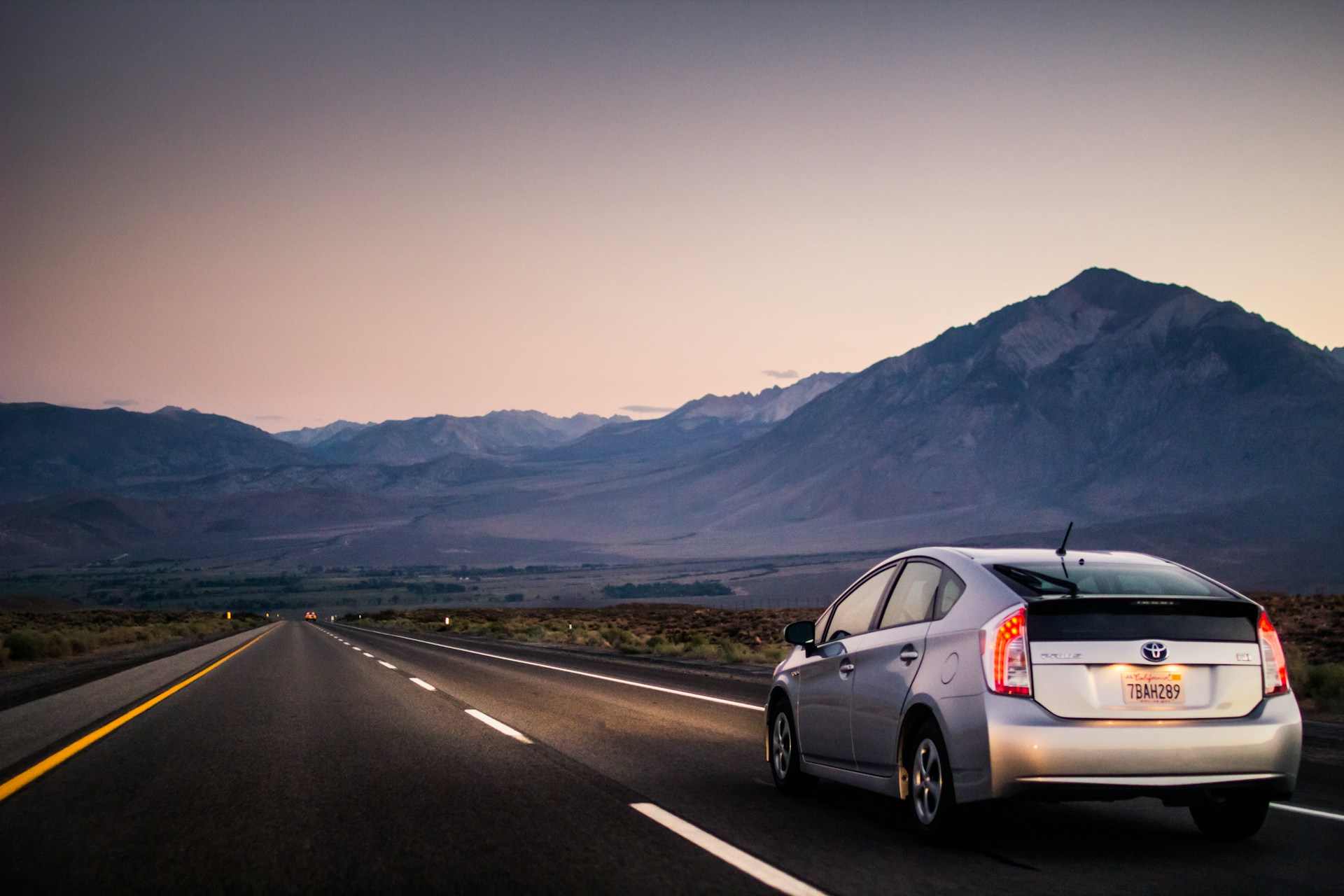
The Prius Glow-Up Is Actually Real
Remember when the Toyota Prius was basically a rolling appliance? It was the car you bought because you had to, not because you wanted to. It looked like a doorstop, drove like a golf cart, and had all the charisma of a damp sponge. But man, things have changed. If you’ve seen the 2024 Toyota Prius cruising around Toronto or Vancouver lately, you probably did a double-take. It’s sleek, it’s low, and-dare I say-it’s actually kind of hot.
Toyota finally realized that being eco-friendly doesn’t mean you have to be boring. They’ve rebuilt this thing from the ground up, and for us Canadians, it’s a pretty big deal. We deal with high gas prices and tough winters, so a hybrid that doesn’t feel like a compromise is a breath of fresh air. It’s not just about saving a few bucks at the pump anymore; it’s about driving something that doesn’t make you look like you’ve given up on life.
So, what’s the secret sauce? It’s a mix of a much punchier engine and a design that looks like it belongs in 2026, not 2005. Honestly, it feels like Toyota’s designers finally got to use the “cool” pens.
Why It Actually Moves Now
The biggest gripe with the old models was the speed-or lack of it. Merging onto the 401 was a prayer-based activity. The 2024 model changes that narrative completely. Under the hood, you’ve got a 2.0-liter engine paired with a much more capable hybrid system. In the AWD version, which is what most of us in the Great White North will be looking at, you’re looking at 196 horsepower.
That might not sound like supercar numbers, but for a Prius, it’s like giving a marathon runner a shot of espresso. It hits 0 to 100 km/h in about 7 seconds. To put that in perspective, the old one took almost 10. That’s a massive jump. You can actually overtake someone on a two-lane highway without needing a three-kilometer head start.
And let’s talk about that Electronic On-Demand AWD. It’s not a heavy mechanical system. There’s a dedicated motor for the rear wheels that kicks in when the car feels you’re losing grip. It’s perfect for those slushy mornings when the snowplow hasn’t made it to your street yet. It gives you that extra bit of confidence without killing your fuel economy.
Breaking Down the Numbers
Let’s look at how the different trims stack up because Toyota kept it pretty simple for the Canadian market. We mostly get the higher-spec stuff because, well, we like our heated seats.
| Feature | XLE AWD | Limited AWD |
|---|---|---|
| Horsepower | 196 hp | 196 hp |
| 0-100 km/h | 7.2 Seconds | 7.2 Seconds |
| Fuel Economy (Combined) | 4.8 L/100 km | 4.8 L/100 km |
| Wheels | 19-inch Alloy | 19-inch Alloy |
| Infotainment | 8-inch Screen | 12.3-inch Screen |
It’s interesting that the fuel economy stays so consistent across the trims. Usually, when you go up in luxury, you pay for it in gas, but not here.
Living With the Interior
Inside, it’s a whole different vibe. The dashboard is modern, and the materials feel way more premium than the “recycled milk jug” plastic of yesteryear. But, there is one thing we need to talk about: the instrument cluster. It’s sitting way back, almost like a heads-up display. Depending on how you sit and how high you like your steering wheel, the rim might block your view of the speedometer. It’s a bit of a “try before you buy” situation.
But once you get the seat adjusted, it’s a comfy place to be. The seats are supportive, and the tech is finally up to date. Wireless Apple CarPlay and Android Auto are standard, which is a blessing because nobody likes dealing with tangled cables in the center console.
Stuff You’ll Actually Appreciate
- Heated front seats and steering wheel (standard in Canada, thank goodness).
- Six USB-C ports so everyone can charge their gear at once.
- The Toyota Safety Sense 3.0 suite that basically watches your back.
- A surprisingly decent sound system even in the base XLE trim.
One thing to keep in mind is the roofline. It’s lower than the old model, which looks great on the outside but means you have to duck a bit more when getting in the back. If you’re hauling tall teenagers, they might complain, but hey, that’s what teenagers do, right?
The Fuel Economy Reality Check
We all know why people buy hybrids. It’s about the gas. In Canada, where prices can jump 10 cents overnight for no reason, getting under 5.0 L/100 km is a win. During a week of mixed driving-some highway, some stop-and-go city traffic-the Prius stays remarkably close to its rated numbers.
Unlike some SUVs that claim to be “efficient” but drink like a fish the moment you touch the gas pedal, the Prius is disciplined. The transition between the gas engine and the electric motor is so smooth you’ll barely notice it unless you’re staring at the energy flow diagram on the screen.
Is It Better Than the Prius Prime?
This is the big question. The Prime is the plug-in hybrid (PHEV) version. It gives you about 70 km of pure electric range. For a lot of people in the GTA or Vancouver suburbs, that covers the whole commute. But there’s a catch: the Prime is more expensive, and the wait times in Canada can be legendary.
If you have a garage and can plug in every night, the Prime is a beast. But if you live in a condo without a charger or just don’t want the hassle of plugging in, the standard hybrid Prius is the sweet spot. You get incredible efficiency without ever having to think about where the next charging station is. Plus, the standard Prius is a bit lighter, which makes it feel a tad more agile in the corners.
Handling and Road Manners
This is where the “Performance” part of the title comes in. The 2024 Prius sits on the TNGA-C platform. That’s nerd-speak for “it has a lower center of gravity and better suspension.” It doesn’t feel floppy anymore. When you take a corner, the car stays relatively flat. The steering has a decent weight to it, too. It’s not a sports car, but it’s no longer a chore to drive.
The 19-inch wheels look fantastic, though they do make the ride a bit firmer than the old 15-inch “balloon” tires. You’ll feel the potholes a bit more, but the trade-off in style and stability is worth it for most people.
Comparison: New Prius vs. The Competition
The hybrid market is getting crowded. You’ve got the Corolla Hybrid, the Honda Civic Hybrid, and the Hyundai Elantra Hybrid. Here’s how they roughly compare in the real world.
| Model | Power | AWD Availability | Vibe |
|---|---|---|---|
| Toyota Prius | 196 hp | Standard in Canada | Futuristic and Sporty |
| Corolla Hybrid | 138 hp | Available | Practical and Low-key |
| Honda Civic Hybrid | 200 hp | No (FWD only) | Driver-focused |
| Hyundai Elantra Hybrid | 139 hp | No (FWD only) | Tech-heavy value |
The Prius really carves out its own niche here by offering AWD and decent power while still looking like a concept car. The Civic is its biggest threat for driving fun, but the lack of AWD is a dealbreaker for many Canadians.
Technology That Isn’t Annoying
Toyota’s old infotainment system was… let’s be polite and say “vintage.” The new system is light-years ahead. It’s fast, the graphics are crisp, and the voice commands actually work. You can say “Hey Toyota, I’m cold,” and it’ll bump up the heat.
The safety tech is also top-tier. The Proactive Driving Assist is a bit weird at first-it gently slows the car down when you’re approaching a curve or another car-but once you get used to it, it makes highway driving way less stressful. It feels like the car is working with you rather than just beeping at you.
The Little Details That Matter
- The gear shifter is small and snappy, giving you more room for coffee cups.
- The digital rearview mirror (on higher trims) is a lifesaver because the back window is quite small.
- Over-the-air updates mean the car can get better features while it sits in your driveway.
The Winter Factor
Let’s get real. A car in Canada is only as good as its worst winter morning. The Prius handles the cold surprisingly well. The hybrid battery is tucked under the rear seats, which helps with weight distribution. While all hybrids lose some efficiency when the temperature drops to -20°C (mostly because the engine has to run more to keep the cabin warm), the Prius heater is quick.
The AWD system is the star here. It’s not meant for off-roading, but for getting moving at a green light on a slippery hill, it’s perfect. It prevents that annoying front-wheel spin that usually happens with high-torque electric motors.
Is There a Catch?
No car is perfect. The biggest downside to the 2024 Prius is cargo space. Because of that sexy, sloping roofline, the trunk isn’t as deep as it used to be. If you’re used to cramming an entire IKEA haul into your hatch, you might find yourself playing Tetris a bit more often.
Also, the visibility out the back isn’t great. The pillars are thick, and the window is narrow. You really learn to rely on the backup camera and the blind-spot monitors. But honestly, if that’s the price for a car that finally looks this good, most people are willing to pay it.
How to Choose Your Trim
In Canada, we have the XLE and the Limited. The XLE is honestly the “smart” buy. You get the AWD, the safety tech, and the heated seats. The Limited adds the bigger screen, a glass roof, cooled seats, and the power tailgate. If you spend a lot of time in your car, the Limited feels like a luxury vehicle, but the XLE doesn’t feel like a “cheap” version by any means.
Why the Prius Matters in 2024
We’re in a weird spot with cars right now. Pure EVs are cool, but the infrastructure isn’t quite there for everyone yet, especially if you like taking long road trips to the cottage or through the Rockies. The Prius is the perfect bridge. It’s incredibly efficient, looks amazing, and you can fill it up in five minutes anywhere in the country.
It’s the first time in history that saying “I drive a Prius” might actually get a positive reaction at a party. It’s moved from being a political statement to being a genuine car-guy choice.
What’s Next for Hybrid Performance?
Toyota is doubling down on this “performance hybrid” idea. We’re seeing it in the new Camry and the Crown too. The goal is to make hybrids the default choice, not just the eco-choice. By making the Prius fast and attractive, they’ve removed the last few excuses people had for sticking with traditional gas cars.
The 2024 Prius is more than just a car; it’s a sign that the boring era of eco-driving is officially over. Whether you’re commuting in Vancouver rain or navigating a Calgary snowstorm, it’s a solid companion that won’t drain your bank account at the Shell station.
Common Questions About the 2024 Prius
Is the 2024 Prius good in the snow?
Totally. Since it comes standard with AWD in Canada, it handles slippery roads way better than the old front-wheel-drive models. Just make sure you put some decent winter tires on those 19-inch rims.
How much room is actually in the back?
It’s a bit tighter than before because of the low roof. If you’re over six feet, your head might be close to the ceiling, but for kids and average-sized adults, it’s fine for daily trips.
Does it have a spare tire?
Nope, most models come with a tire repair kit instead to save weight and space. It’s a common thing these days, but worth knowing before you head out on a long trip.
Can I tow anything with a Prius?
Not really. It’s not rated for towing in North America. If you need to haul a trailer, you’re better off looking at a RAV4 Hybrid.
How long does the battery last?
Toyota’s hybrid batteries are legendary for their longevity. Plus, they come with an 8-year or 160,000 km warranty (and even longer for some components), so you’re covered for a long time.
Is the 12.3-inch screen worth the upgrade?
It looks awesome and makes navigation much easier to see, but the standard 8-inch screen does the same stuff. If you’re a tech nerd, go for the Limited.
What’s the real-world fuel mileage?
Most drivers are seeing between 4.5 and 5.0 L/100 km. In the dead of winter, it might climb to 5.5 or 6.0, which is still better than almost anything else on the road.
Wrap Up
So, is the 2024 Toyota Prius the future? For a lot of Canadians, yeah, it probably is. It hits that sweet spot between looking cool, being fun to drive, and keeping your fuel costs low. It’s not trying to be a spaceship, just a really, really good car that happens to be a hybrid. If you haven’t looked at a Prius in a few years, it’s definitely time to head to a dealer and see what the hype is about. You might be surprised at how much you actually like it.
In the end, the new Prius proves that you can have your cake and eat it too-or in this case, have your style and your fuel economy too. It’s a win-win for anyone looking to upgrade their ride this year.

Leave a Reply