
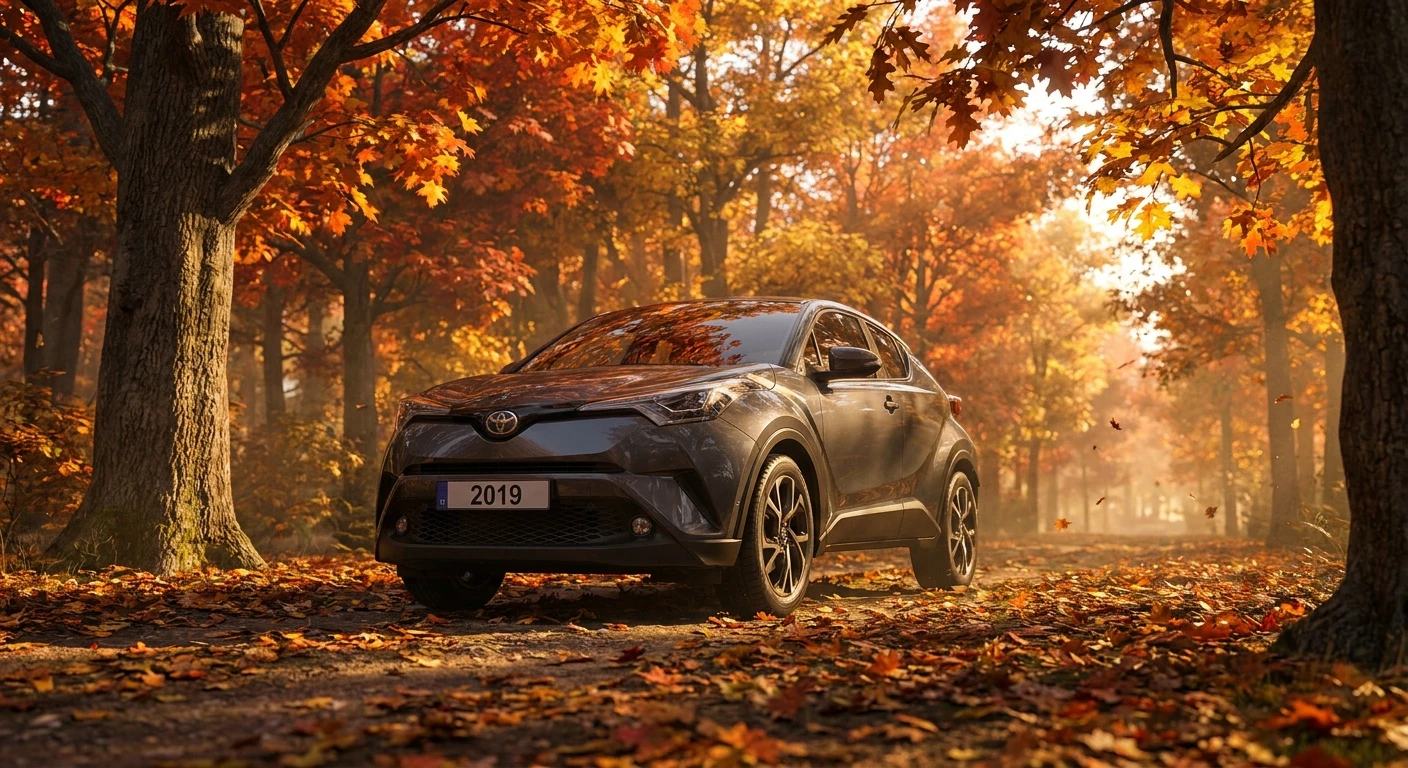
Why the Ford Escape 2019 Still Dominates the Compact SUV Market
The Ford Escape 2019 remains a highly sought-after compact SUV for anyone demanding utility without sacrificing everyday driving comfort. Whether you need a daily commuter or a weekend adventure vehicle, this specific model year represents the pinnacle of its generation. Looking back from our current vantage point in 2026, the longevity and high resale value of this vehicle prove that the engineering team delivered a genuinely reliable product. It strikes the perfect balance between cargo capacity, passenger comfort, and nimble handling.
Because the 2019 iteration was the final year of the third generation, all the software bugs and mechanical quirks of earlier years were fully resolved. You get a mature, well-tested vehicle platform. The exterior styling remains sharp and athletic, featuring a bold trapezoidal grille and sculpted wheel arches that resist looking dated. Internally, the cabin materials, acoustic insulation, and ergonomic seating make it an incredibly pleasant place to spend hours on the road. If you want a sensible vehicle that handles like a smaller car but carries gear like a truck, the Ford Escape 2019 demands your attention.
Read also: Review: Is the kia seltos 2024 Still Worth It?; Ultimate gmc terrain 2024 Guide; The Ultimate 2024 honda civic Review.
Core Benefits, Specifications, and Value Proposition
Choosing the right trim level requires understanding exactly what each package offers. The lineup provides a gradual step-up in luxury, power, and technology, ensuring there is a configuration for every budget and lifestyle. Below is a breakdown of the primary trim levels available.
| Trim Level | Standard Engine | Defining Feature |
|---|---|---|
| S | 2.5L iVCT I-4 | Standard SYNC infotainment and rearview camera |
| SE | 1.5L EcoBoost | 10-way power driver seat and dual-zone climate control |
| SEL | 1.5L EcoBoost | Power liftgate and premium leather-trimmed seats |
| Titanium | 2.0L EcoBoost | Sony 10-speaker audio and hands-free foot-activated liftgate |
The value proposition of this SUV is incredibly strong. Consider a professional who commutes daily through heavy city traffic but spends weekends camping; the 1.5L engine offers excellent fuel economy for the stop-and-go drive, while the available intelligent four-wheel-drive system handles muddy campsite trails effortlessly. Alternatively, a small family can rely on the SEL trim to provide durable leather seating that withstands spills, paired with a massive cargo area for strollers and groceries.
- Exceptional Cargo Flexibility: The 60/40 split-fold-flat rear seats provide up to 68 cubic feet of total cargo space, allowing you to haul large furniture or sports equipment effortlessly.
- Dynamic Engine Lineup: With three distinct engine choices, buyers can prioritize ultimate fuel efficiency or opt for the 245-horsepower 2.0L engine for aggressive highway passing and towing.
- Advanced Active Safety: The availability of the Safe and Smart Package equips the vehicle with adaptive cruise control, forward collision warning, and lane-keeping alerts, ensuring peace of mind on long journeys.
History and Origins of the Platform
Origins of the Third Generation
The story of the 2019 model begins years earlier with the initial launch of the third-generation Escape. Moving away from the boxy, truck-like appearance of its predecessors, the engineers adopted the global C-car platform, which it shared with the Focus. This drastic shift brought a more aerodynamic, European-inspired “Kinetic Design” to the compact SUV segment. It immediately changed consumer expectations, proving that an SUV could offer car-like steering precision and cornering stability. This structural foundation paved the way for the refined driving dynamics we see in the final 2019 edition.
Evolution Leading to the 2019 Model
Between the initial launch and 2019, the platform received several strategic updates. A major mid-cycle refresh introduced a much stiffer body structure, improved sound deadening materials, and completely overhauled front and rear fascias to align with the larger Edge and Explorer models. The dashboard was redesigned to replace the complicated button layout with a cleaner, more intuitive electronic parking brake and redesigned cup holders. Most crucially, the older engines were phased out in favor of the more efficient Twin-Scroll EcoBoost engines. The 2019 version benefited from all these iterative improvements, serving as the ultimate, perfected version of the third-generation architecture.
The Modern State of Compact SUVs
Even years after its release, this specific vehicle holds a unique place in the automotive market. Newer vehicles often rely entirely on massive touchscreens and complicated haptic feedback buttons. The 2019 model retains tactile, physical dials for climate and volume controls, which many drivers strongly prefer for safety and ease of use. It represents a sweet spot in automotive history—offering modern smartphone integration and advanced safety sensors, without the frustrating over-digitization found in later models.
Scientific and Technical Deep Dive
Powertrain Engineering Explained
The mechanical brilliance of this vehicle lies in its EcoBoost engine technology. Ford engineers utilized direct fuel injection combined with turbocharging to extract maximum energy from every drop of fuel. The 2.0L EcoBoost utilizes a twin-scroll turbocharger design. This setup routes exhaust pulses through two separate passages to the turbine wheel, significantly reducing turbo lag and providing immediate torque at low RPMs. This means when you step on the gas to merge onto a highway, the power delivery is instantaneous and smooth. Furthermore, the intelligent four-wheel-drive system uses advanced sensors to monitor traction conditions every 16 milliseconds, preemptively shifting torque to the rear wheels before front wheel slip even occurs.
Infotainment and Safety Technology
Inside the cabin, the Sync 3 system operates on a QNX-based operating system, engineered specifically for fast, responsive automotive applications. Unlike the older, sluggish MyFord Touch systems, Sync 3 features a capacitive touch screen similar to a modern smartphone, allowing for swipe and pinch-to-zoom gestures. It seamlessly integrates Apple CarPlay and Android Auto through hardwired USB connections, ensuring zero latency when using navigation apps.
- 2.5L iVCT Engine: 168 horsepower, 170 lb-ft of torque, naturally aspirated reliability.
- 1.5L EcoBoost Engine: 179 horsepower, 177 lb-ft of torque, auto start-stop technology.
- 2.0L EcoBoost Engine: 245 horsepower, 275 lb-ft of torque, maximum towing capacity of 3,500 lbs.
- Transmission: 6-speed SelectShift automatic transmission with paddle shifters on higher trims.
- Suspension: MacPherson strut front suspension with a stabilizer bar, and an independent double-lateral link rear suspension.
Actionable 7-Day Ownership Prep Plan
If you are purchasing or recently acquired this vehicle, following a structured evaluation and maintenance plan ensures you get the best performance and longevity out of your investment. Follow this step-by-step weekly guide.
Day 1: Comprehensive Fluid Inspection
Start your ownership by checking the lifeblood of the vehicle. Locate the dipstick and check the engine oil; it should be amber and smooth, not black and gritty. Inspect the engine coolant reservoir to ensure the bright orange or pink fluid sits between the minimum and maximum lines. Finally, verify the brake fluid level and ensure the transmission fluid does not emit a burnt odor, which could indicate harsh driving by a previous owner.
Day 2: Tire and Brake Hardware Check
Your connection to the road is entirely dependent on the tires. Measure the tread depth using a tread depth gauge, ensuring at least 4/32 of an inch remains for safe wet-weather driving. Check the tire pressure on all four corners, setting them to the exact PSI listed on the driver’s door jamb sticker. While you are down there, shine a flashlight through the wheel spokes to inspect the brake pads. They should have at least a quarter-inch of friction material remaining.
Day 3: Sync 3 System Update
Software requires maintenance just like hardware. Connect the vehicle to your home Wi-Fi network by navigating to the settings menu on the center screen. Check for the latest Sync 3 software updates. Updating the system ensures bug fixes are applied, Bluetooth connections remain stable, and Apple CarPlay or Android Auto interface smoothly with the newest smartphone operating systems.
Day 4: Battery Health and Electrical Test
A weak battery can cause a cascade of electronic glitches. Take the vehicle to a local auto parts store and request a free load test on the battery. Ensure the cold cranking amps (CCA) match the manufacturer specifications. Additionally, inspect the battery terminals for white, powdery corrosion. If present, clean the terminals with a wire brush and a mixture of baking soda and water to guarantee a strong electrical connection.
Day 5: Suspension and Steering Diagnostics
Take the SUV to an empty parking lot for a diagnostic drive. Turn the steering wheel lock-to-lock in both directions; listen carefully for whining from the electric power steering motor or clunking from the CV joints. Drive over speed bumps at a slow, controlled speed to test the MacPherson struts. The vehicle should bounce exactly once and settle immediately. Continued bouncing indicates worn shock absorbers.
Day 6: Deep Interior Detailing and Filter Swap
The cabin air filter is often neglected but crucially dictates the air quality you breathe. Open the glovebox and release the tabs to access the cabin filter housing. Replace the old, dusty filter with a fresh HEPA-rated unit to block pollen and road dust. Follow this up by applying a high-quality UV protectant to the dashboard and leather conditioner to the seats, preventing cracking from intense sun exposure.
Day 7: The First Road Trip Test
Now that the vehicle is fully inspected and updated, it is time to enjoy it. Plan a two-hour road trip combining city streets, tight winding backroads, and high-speed interstate driving. This allows the engine’s computer to adapt to your specific driving habits. Monitor the temperature gauge and fuel economy readouts. This trip will confirm the mechanical integrity of your SUV while allowing you to familiarize yourself with the cruise control and audio systems.
Myths and Reality
Myth: The 1.5L EcoBoost engine is too small and lacks the necessary power for highway merging.
Reality: Thanks to direct injection and turbocharging, the 1.5L produces 177 lb-ft of torque at very low RPMs, providing brisk acceleration that easily rivals older, naturally aspirated V6 engines.
Myth: Compact SUVs like this cannot tow trailers or boats.
Reality: When equipped with the 2.0L EcoBoost engine and the Class II Trailer Tow Package, the vehicle boasts a highly capable towing capacity of 3,500 pounds, perfect for jet skis, small campers, or utility trailers.
Myth: You must buy the four-wheel-drive version for it to be useful in winter.
Reality: While 4WD helps with acceleration in snow, the front-wheel-drive models, when equipped with high-quality dedicated winter tires, offer exceptional traction and braking capabilities in severe weather conditions.
Myth: The interior technology is completely outdated compared to brand-new models.
Reality: The Sync 3 system supports the exact same smartphone projection (Apple CarPlay/Android Auto) as vehicles built today, meaning your navigation and music interfaces remain perfectly modern.
Frequently Asked Questions and Conclusion
Is the Ford Escape 2019 highly reliable?
Yes, as the final year of the third generation, all major mechanical issues from earlier years were resolved, making it one of the most reliable choices in the used compact SUV market.
Does it have Apple CarPlay and Android Auto?
Yes, all models equipped with the Sync 3 infotainment system (SE trim and higher) include standard support for both Apple CarPlay and Android Auto.
What is the real-world fuel economy?
The 1.5L front-wheel-drive models typically achieve around 23 MPG in the city and up to 30 MPG on the highway, making it a very economical daily driver.
How much cargo space is available?
Behind the second row, you get 34 cubic feet of space. Fold the rear seats flat, and the cargo area expands to a generous 68 cubic feet.
Can the Ford Escape 2019 tow a small boat?
Absolutely. If you purchase a model with the 2.0L engine and the factory tow package, you can safely tow up to 3,500 pounds.
Is maintenance generally expensive for this model?
No, parts are widely available and relatively inexpensive. The engines and transmissions are shared across multiple Ford platforms, meaning any local mechanic can service it easily.
Does the engine use a timing belt or a timing chain?
All three engine options (2.5L, 1.5L, and 2.0L) utilize highly durable timing chains, which generally do not require replacement like rubber timing belts do.
What is the ground clearance?
The vehicle features 7.8 inches of ground clearance, which is more than enough to handle deep snow, rutted dirt roads, and steep driveway approaches without scraping the bumper.
Are the seats comfortable for long family trips?
Yes, especially in the SE and higher trims which offer 10-way power-adjustable seating with lumbar support, ensuring fatigue-free driving over hundreds of miles.
Does it include blind-spot monitoring?
Blind-spot monitoring is available as part of the Ford Safe and Smart Package, which was optional on SE and SEL trims and standard on the Titanium trim.
The Ford Escape 2019 stands as a testament to practical, driver-focused engineering. It delivers the space families need, the power enthusiasts appreciate, and the technology modern drivers demand. If you want a vehicle that checks every box without an exorbitant price tag, start searching local listings and test drive one today to experience the quality for yourself!

Leave a Reply