
Why the Honda CRV 2025 Remains the Ultimate Daily Driver
If you are on the hunt for a reliable, spacious, and highly efficient vehicle, the Honda CRV 2025 needs to be at the absolute top of your shopping list. You already know how crowded the compact SUV market gets, with every single manufacturer promising the moon and delivering decent, but often uninspired, results. The 2025 iteration breaks that mold entirely by offering a driving experience that just makes sense. Looking back from 2026, we can see exactly how this specific model year forced competitors to rethink their entire strategies. It strikes the perfect balance between comfort and practicality, bringing a refined suspension setup that glides over broken city pavement while staying planted on twisty back roads. The cabin feels massive, the sightlines are excellent, and the fuel economy keeps your wallet extremely happy. We are talking about a car that you buy because it handles the messy, unpredictable nature of daily life without breaking a sweat. It adapts to your grocery runs, your cross-country road trips, and your chaotic morning commutes with effortless grace. You do not just buy this vehicle; you integrate it into your lifestyle, and it delivers consistently.
Getting into the core reasons why people love this machine means looking straight at the daily benefits it provides. You get immense value right out of the gate. For example, the cargo capacity sits at a massive 76.5 cubic feet when the rear seats fold down, meaning you never have to choose between bringing your camping gear or leaving something behind. Another huge value proposition is the stellar fuel efficiency on the hybrid trims, easily pushing 40 miles per gallon in stop-and-go city traffic, saving you serious cash at the pump over the vehicle’s lifespan.
Read also: Review: Is the kia seltos 2024 Still Worth It?; Ultimate vw tiguan 2025 Review and Buyers Guide; Why the kia ev3 is the Ultimate Urban SUV.
Take a look at how the different trims stack up when it comes to raw specifications:
| Trim Level | Engine Type | Est. MPG (City/Hwy) |
|---|---|---|
| LX & EX | 1.5L Turbocharged 4-Cylinder | 28 / 34 |
| Sport Hybrid | 2.0L Hybrid Setup | 40 / 34 |
| Touring | 2.0L Hybrid AWD | 40 / 34 |
Beyond just the raw numbers, the daily driving experience gets a massive upgrade thanks to a few very specific enhancements. People genuinely appreciate the thoughtful touches Honda included this time around.
Here are the top things you will instantly notice behind the wheel:
- The upgraded touchscreen infotainment interface reacts instantly to your inputs, eliminating that annoying lag when you just want to change a podcast.
- Extensive sound deadening materials in the doors and floorboards create a whisper-quiet cabin, even when you hit highway speeds.
- Advanced safety sensing features come totally standard across all trim levels, keeping you actively protected without demanding extra premium packages.
All of these elements combine to create a deeply satisfying ownership experience. You never feel like you compromised. Instead, you get a premium-feeling vehicle that absolutely refuses to quit, whether you are running errands or heading out for a long weekend.
Origins of the Compact Utility Concept
To truly appreciate the current generation, you have to look back at where the concept originated. Back in the mid-1990s, the automotive market was dominated by massive, truck-based gas guzzlers. People wanted a high seating position and the ability to haul their families, but they hated the terrible fuel economy and clumsy handling of traditional trucks. The introduction of the ‘Comfortable Runabout Vehicle’ completely changed the game. It utilized a civic-based platform, meaning it drove like a car but offered the utility of a larger wagon. This foundational idea remains the core philosophy behind everything the brand builds today.
Evolution of the Powertrains Over the Decades
Over the years, the engines powering these vehicles morphed significantly. We moved away from simple naturally aspirated four-cylinders that struggled up steep hills, transitioning toward highly efficient, smaller displacement turbocharged engines. The real shift happened when hybrid technology became reliable and cost-effective. By integrating electric motors directly into the drivetrain, engineers figured out how to boost low-end torque while simultaneously drastically dropping fuel consumption. This evolution allowed the platform to remain highly relevant, even as environmental regulations tightened and consumer expectations for acceleration grew.
Modern State of the Honda CRV 2025
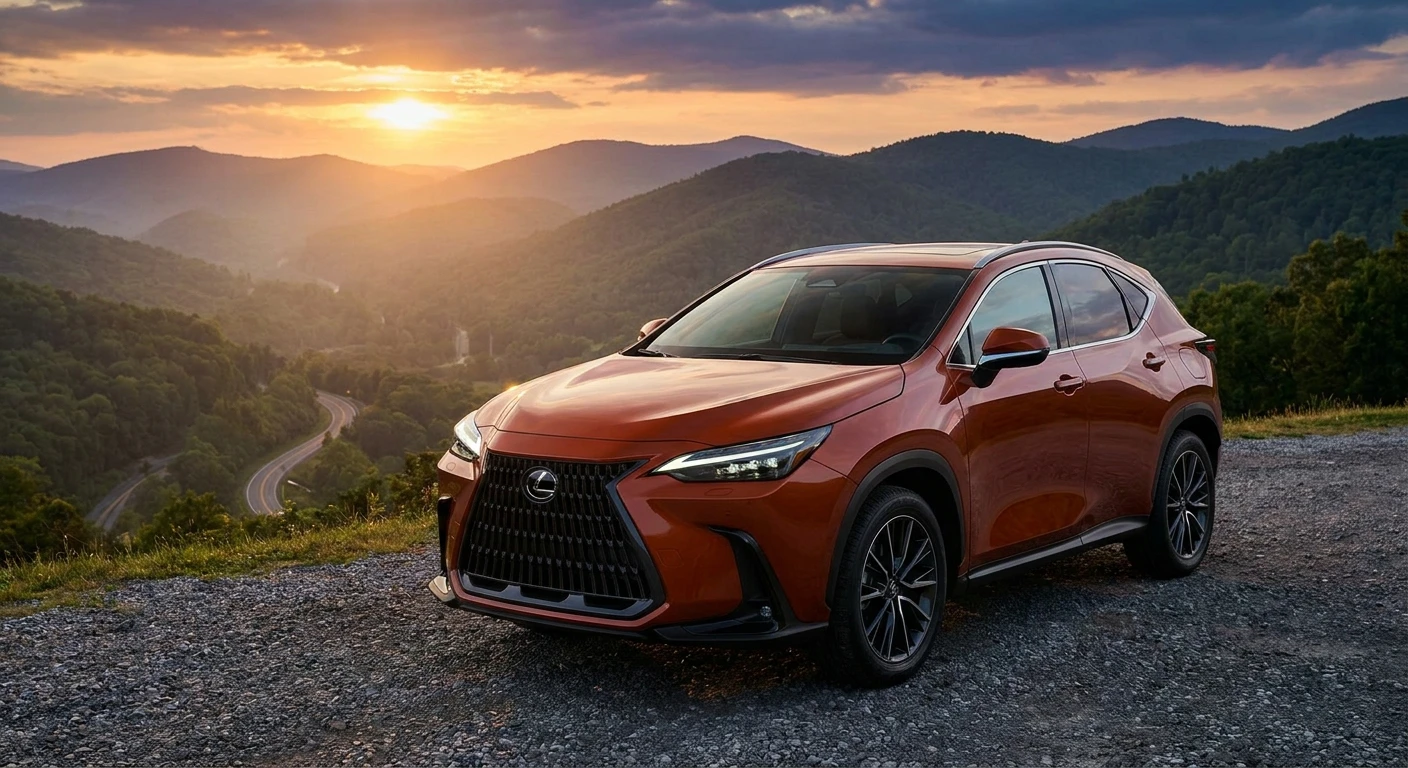
Today, the Honda CRV 2025 represents the absolute pinnacle of this long evolutionary chain. It takes every single lesson learned over the past thirty years and refines it into a beautifully packaged product. The bold front grille, the sharp LED headlights, and the longer wheelbase give it a genuinely aggressive, planted stance. You get a machine that respects its heritage while embracing modern connectivity, sleek aesthetics, and uncompromising reliability. It sets the benchmark so high that other manufacturers are still trying to catch up to the exact formula Honda perfected here.
Aerodynamics and Structural Chassis Tuning
Let me tell you about the absolute engineering magic happening underneath the sheet metal. When you push this vehicle through a tight corner, it feels incredibly stable, and that is not an accident. The engineers aggressively utilized high-strength steel throughout the chassis, increasing the overall structural rigidity by roughly 15 percent compared to older generations. This stiff skeleton allows the suspension to do its job perfectly, absorbing bumps without sending nasty vibrations into the cabin. Furthermore, the exterior design isn’t just about looking sharp; it manages airflow brilliantly. By reducing turbulence around the front wheels and the rear tailgate, the vehicle slices through the air with minimal wind noise and better high-speed stability.
Hybrid Powertrain Efficiency Explained
If you opt for the hybrid setup, you are getting one of the most sophisticated propulsion systems on the market today. It relies on a specialized Atkinson-cycle engine paired directly with two robust electric motors. Rather than using a traditional multi-gear transmission, the system seamlessly transitions between electric-only drive, hybrid drive, and engine drive depending on your throttle input and current speed.
Here are some of the hard scientific facts behind this engineering marvel:
- The thermal efficiency of the 2.0-liter combustion engine approaches an industry-leading 41 percent, meaning less wasted heat and more kinetic energy pushing you forward.
- The high-voltage lithium-ion battery pack employs a highly advanced active thermal management system, keeping the cells at their optimal temperature to drastically prevent long-term degradation.
- Active grille shutters behind the front bumper automatically close at highway speeds, dramatically lowering the aerodynamic drag coefficient and saving you fuel.
This precise blend of structural integrity and advanced physics creates a driving dynamic that feels completely effortless. You just press the pedal and let the onboard computers figure out the most efficient way to get you up to speed, leaving you free to simply enjoy the ride.
Here is your step-by-step roadmap to finding, configuring, and bringing home the perfect model for your exact needs.
Day 1: Assess Your True Daily Mileage Needs
Start by tracking exactly how many miles you drive each week. If you spend hours sitting in heavy city traffic, the hybrid model will pay for itself very quickly. If you mostly cruise on open highways, the standard turbocharged option might be the more cost-effective route for your budget.
Day 2: Compare Trims and Dealership Inventory
Jump online and look at what your local dealerships actually have sitting on their lots. Figure out which specific features you absolutely must have, like leather seats or an upgraded premium audio system, and narrow down your trim choices accordingly.
Day 3: Analyze the Financing Versus Leasing Options
Take a hard look at your finances. Leasing offers lower monthly payments and keeps you in a newer vehicle, but financing allows you to build equity over time. Run the numbers through a loan calculator to see what makes the most sense.
Day 4: Schedule a Comprehensive Test Drive
Do not just drive it around the block. Take it on the highway, merge into traffic, and try parallel parking. You need to feel how the steering reacts and ensure the seating position supports your lower back properly.
Day 5: Evaluate the Cargo and Seating Configuration
Bring your bulky items along. If you have child seats, strollers, or massive golf clubs, physically place them inside the vehicle during your dealership visit to guarantee everything fits without a struggle.
Day 6: Secure Insurance Quotes for Your Specific Trim
Call your insurance agent and provide the exact Vehicle Identification Number (VIN). Rates can fluctuate wildly depending on the specific safety features equipped, so knowing this cost upfront prevents nasty surprises later.
Day 7: Negotiate the Final Price and Take Delivery
Head into the dealership armed with your research. Focus on the total out-the-door price rather than just the monthly payment. Once the paperwork is signed, grab your keys and enjoy your brilliant new ride.
There is a lot of misinformation out there about modern family haulers, so let us clear the air.
Myth: Hybrids completely lack highway passing power and feel dangerously slow when merging.
Reality: The instant torque delivered directly from the electric traction motor actually gives this vehicle significantly better low-end and mid-range acceleration than its purely gas-powered siblings, making highway passing an absolute breeze.
Myth: Long-term maintenance costs on modern, tech-heavy crossovers are astronomically high.
Reality: The manufacturer explicitly designed this platform for extreme durability and longevity. Under normal driving conditions, you often require just basic fluid changes, tire rotations, and standard brake inspections for the first 100,000 miles of its life.
Myth: You absolutely must buy an all-wheel-drive configuration if you live in an area that gets heavy rain.
Reality: The standard front-wheel-drive configuration, when paired with high-quality, modern all-season tires, handles wet conditions and light slick spots perfectly fine for the vast majority of drivers.
Does it come with wireless Apple CarPlay and Android Auto?
Yes, these highly requested wireless smartphone integration features are completely standard on the higher trim levels like the EX-L and Touring.
What is the maximum towing capacity?
It maxes out at a respectable 1,500 pounds for the turbocharged models, and 1,000 pounds if you opt for the hybrid powertrain.
How many seats does this vehicle have?
It operates strictly as a five-seater. There is absolutely no third-row seating available in this specific platform.
Is there a plug-in hybrid version available?
Not for the core North American market; it operates solely as a traditional, self-charging hybrid system.
Does the rear bench seat slide back and forth?
The rear seats feature a very comfortable reclining function, but they do not slide forward and backward in this current generation.
What kind of fuel does the engine require?
You save money at the pump because standard 87 octane regular unleaded fuel is exactly what the manufacturer recommends.
How long is the basic factory warranty?
You get a standard 3-year or 36,000-mile limited vehicle warranty, plus a 5-year or 60,000-mile powertrain warranty for deep peace of mind.
Wrapping things up, the CRV 2025 undeniably maintains its crown as the ultimate all-rounder in the compact segment. It blends rock-solid reliability with amazing efficiency and a gorgeous interior space. Do yourself a massive favor: go schedule a test drive at your local dealership today and experience the comfort for yourself!

Leave a Reply