
What You Need to Know About Hybrid Trucks
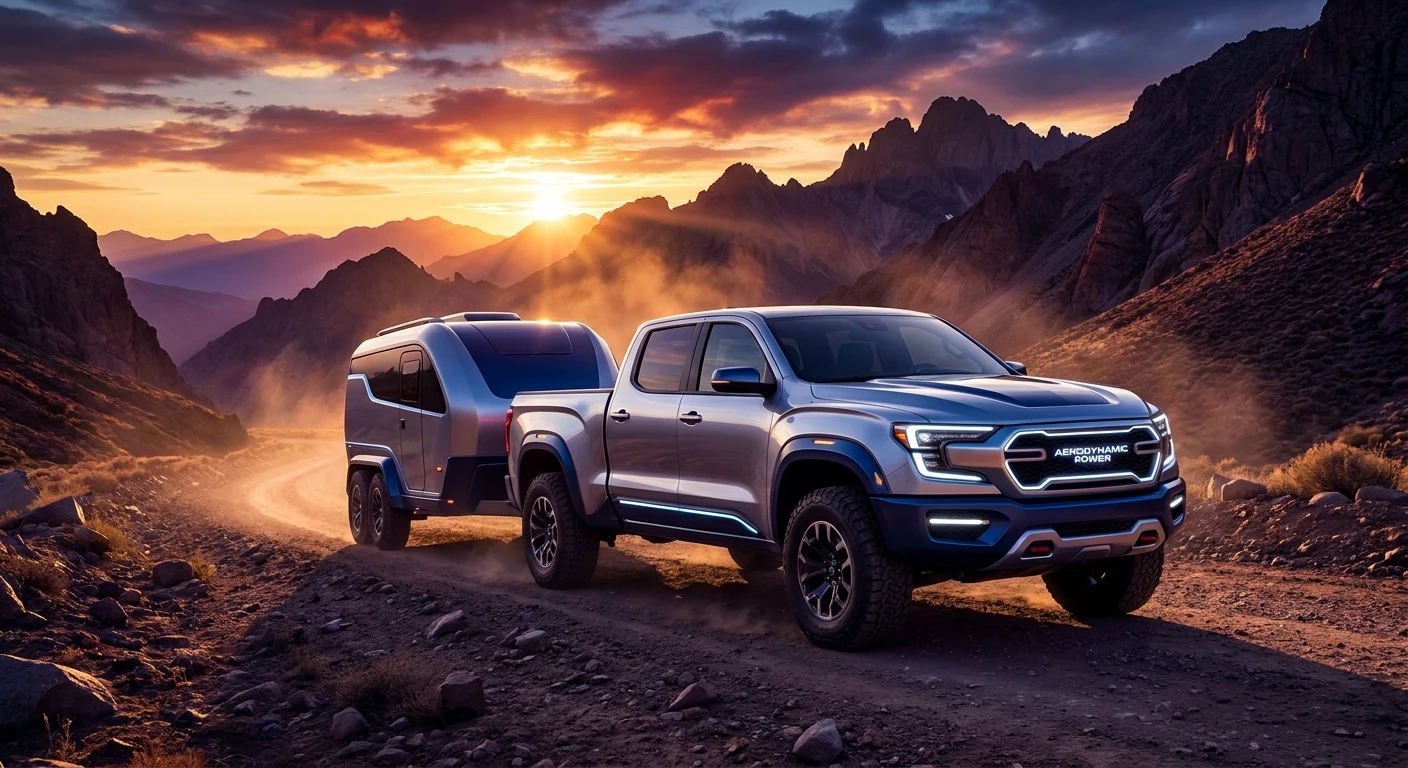
Hybrid trucks are rapidly fundamentally changing the commercial and consumer automotive landscape by proving you no longer have to sacrifice towing capability for fuel efficiency. If you spend your days hauling heavy equipment, towing recreational vehicles, or navigating stop-and-go city traffic with a fully loaded bed, the traditional gas-guzzling V8 engine has historically been your only reliable option. That reality is shifting fast. By pairing a conventional internal combustion engine with a high-torque electric motor and an advanced battery pack, these vehicles deliver instantaneous power precisely when you need it most. You get the raw, unyielding brute force required to pull a 10,000-pound trailer up a steep mountain grade, combined with the refined, quiet efficiency of an electric drivetrain during low-speed maneuvers. This isn’t just about saving a few dollars at the fuel pump; it is about completely reimagining the utility of a pickup. With onboard generators, regenerative braking systems that save your brake pads on long descents, and massive low-end torque profiles, these vehicles are functioning as mobile power stations and high-efficiency workhorses simultaneously.
The core proposition of a modern hybrid truck centers on the concept of ‘torque fill.’ Internal combustion engines, particularly those heavily reliant on turbochargers, naturally suffer from a slight delay in power delivery before the exhaust gases spin the turbo up to speed. Electric motors, however, produce maximum torque at zero revolutions per minute. When these two systems are integrated, the electric motor instantly bridges that gap, providing a seamless, linear surge of acceleration from a dead stop. This mechanical harmony translates to effortless towing, reduced engine strain, and significantly lower fuel consumption during the most energy-intensive phases of driving.
Read also: The Mazda CX 50 Hybrid: Efficiency Meets Rugged Capability; The Ultimate Guide to the 2022 Toyota Tundra; Honest honda crv 2024 Review: A True Daily Driver.
Let’s break down the primary architectures powering these heavy-duty machines. Understanding the distinct differences between the various hybrid systems is crucial if you are evaluating your next vehicle purchase. There is no one-size-fits-all solution, and the right powertrain depends entirely on your daily operational demands, driving environment, and payload requirements.
| System Architecture | Primary Power Integration | Ideal Use Case Scenario |
|---|---|---|
| Mild Hybrid (MHEV) | 48-volt starter-generator system assisting the main engine. | Light-duty hauling, daily commuting, and frequent stop-and-go traffic. |
| Full Hybrid (FHEV) | Larger battery capable of independent low-speed electric driving. | Medium-duty towing, construction sites, and mixed city/highway routing. |
| Plug-in Hybrid (PHEV) | High-capacity battery rechargeable via grid, offering extended EV range. | Long-haul operations, fleet management, and localized zero-emission driving. |
To grasp the true value proposition, look at real-world applications. For example, the Ford F-150 PowerBoost utilizes a 3.5-liter twin-turbo V6 combined with a 35-kilowatt electric motor built directly into the transmission. This setup doesn’t just improve fuel economy; it enables the Pro Power Onboard system, turning the truck into a 7.2-kilowatt mobile generator capable of running heavy power tools, welding equipment, or an entire campsite without needing a noisy standalone generator. Similarly, the Toyota Tundra i-FORCE MAX places a motor-generator between the engine and transmission, focusing heavily on generating a massive 583 lb-ft of torque to aggressively improve towing dynamics rather than solely focusing on miles per gallon. These examples highlight that the electrification of the pickup isn’t a compromise; it is a direct performance upgrade.
The core benefits of switching to this dual-powertrain setup are undeniable. If you are on the fence, consider these three major operational advantages:
- Instantaneous Low-End Torque: The electric motor provides maximum rotational force from zero RPM, meaning a fully loaded trailer gets moving instantly without the engine needing to scream at high revolutions, significantly reducing mechanical wear and tear.
- Jobsite Power Generation: Advanced inverter systems pull direct current (DC) from the high-voltage traction battery and convert it to clean, stable alternating current (AC), allowing you to power 120V or 240V tools directly from outlets in the truck bed for hours on end.
- Drastically Reduced Brake Wear: Regenerative braking systems use the electric motor to slow the vehicle down, converting the truck’s kinetic energy back into electrical energy to recharge the battery. This means the physical brake pads are used far less frequently, extending their lifespan exponentially even under heavy towing conditions.
Origins of the Dual Powertrain
The concept of combining an internal combustion engine with an electric motor is far from a new phenomenon, but its application in heavy-duty utility vehicles took decades to refine. In the late 1990s and early 2000s, hybrid technology was almost exclusively associated with compact, aerodynamically optimized sedans aimed at eco-conscious consumers. The primary engineering goal during that era was purely fuel conservation, utilizing small naturally aspirated engines paired with nickel-metal hydride batteries. The idea of placing these early, relatively fragile systems into a heavy, rigid frame designed for hauling thousands of pounds seemed completely impractical to automotive engineers. The electric motors of the time simply lacked the thermal endurance and torque output required to move a 5,000-pound unladen vehicle, let alone one pulling a massive payload. Early prototype testing often resulted in severe battery overheating and catastrophic drivetrain failures when subjected to the stress of steep inclines.
Evolution Through the 2010s
As battery chemistry advanced and the manufacturing costs of high-output electric motors began to fall, automakers started experimenting with larger platforms. The mid-to-late 2000s saw early, somewhat clumsy attempts at the hybrid truck, such as the Chevrolet Silverado 1500 Hybrid. While technologically ambitious, these early models utilized a mild two-mode system that offered negligible fuel savings and actually reduced overall towing capacity due to the added weight of the hybrid components. Consumers firmly rejected them. Truck buyers demanded uncompromised capability; if an electrified powertrain meant leaving the boat at home, it was a non-starter. This failure forced engineers back to the drawing board, leading to a paradigm shift in the 2010s. Instead of viewing the electric motor merely as a fuel-saving device, engineers began integrating it directly into the transmission to act as a high-performance torque multiplier, fundamentally changing the design philosophy from ‘eco-friendly’ to ‘hyper-capable.’
The Modern State of Electrified Workhorses
Today, the landscape is entirely different. Modern hybrid trucks utilize advanced lithium-ion battery packs featuring sophisticated liquid thermal management systems that can withstand the intense heat generated by heavy towing. We now see the seamless integration of parallel hybrid systems where the electric motor and the combustion engine can drive the wheels simultaneously or independently. High-voltage architecture has completely eliminated the compromises of the past. Today’s electrified pickups frequently boast the highest horsepower, the highest torque, and the fastest acceleration times within their respective model lineups. They have transformed from experimental, niche vehicles into the undisputed flagship models for major manufacturers, offering a bridge between the analog past of the diesel engine and the fully electric future of the automotive industry.
How Parallel and Series Hybrid Systems Function
To truly appreciate the mechanical brilliance of these vehicles, you need to understand the underlying physics and engineering architectures. Most modern hybrid trucks utilize a ‘parallel’ hybrid system. In a parallel configuration, both the internal combustion engine and the electric motor are mechanically linked to the drivetrain. They can power the vehicle entirely independently, or they can join forces to deliver maximum thrust. Typically, the electric motor is sandwiched between the engine and the transmission. A sophisticated disconnect clutch allows the combustion engine to shut off completely while coasting or decelerating, leaving the electric motor to maintain momentum or harvest kinetic energy. By contrast, a ‘series’ hybrid system uses the combustion engine strictly as an onboard generator. In a series setup, the gas engine never physically drives the wheels; it only spins a generator to create electricity, which is then fed to the battery or directly to the electric traction motors. While common in locomotives, the parallel system remains dominant in consumer trucks due to its superior efficiency at high highway speeds.
Battery Chemistry and Thermal Management
The true unsung hero of the electrified pickup is the advanced thermal management system regulating the high-voltage battery. Towing heavy loads generates immense heat, both in the engine bay and within the battery cells during rapid discharge and recharge cycles. If a lithium-ion battery gets too hot, its internal resistance spikes, leading to power throttling and potential degradation.
- Active Liquid Cooling: Modern packs use a dedicated liquid coolant loop, completely separate from the engine’s radiator, to circulate chilling fluid between the battery cells, ensuring they remain at an optimal 70 to 80 degrees Fahrenheit even under immense strain.
- Energy Density Metrics: Current lithium-ion NMC (Nickel Manganese Cobalt) cells offer incredibly high energy density, allowing engineers to pack roughly 1.5 to 2.0 kilowatt-hours of usable energy into a space no larger than a traditional toolbox, keeping the truck’s payload capacity intact.
- Regenerative Physics: The system operates on the principle of electromagnetic induction. When you lift off the accelerator, the electric motor’s polarity reverses. It becomes a generator driven by the vehicle’s momentum, converting kinetic energy ($E = \frac{1}{2}mv^2$) directly into high-voltage direct current (DC) to recharge the pack.
- Bi-Directional Inverters: High-capacity onboard inverters utilize insulated-gate bipolar transistors (IGBTs) to instantly convert the battery’s DC power into clean, 60Hz alternating current (AC) for jobsite power, effectively mimicking the grid.
Step 1: Assess Your Towing and Payload Requirements
Before purchasing, strictly calculate your maximum routine payload and towing weight. While electrified powertrains offer massive torque, the physical weight of the battery pack itself subtracts directly from the vehicle’s Gross Vehicle Weight Rating (GVWR). Ensure the specific trim you select is legally and mechanically rated for your heaviest trailer.
Step 2: Compare Mild, Full, and Plug-in Architectures
Match the system architecture to your driving habits. If you drive 20 miles a day, a plug-in hybrid (PHEV) might allow you to commute entirely on electricity. If you routinely drive 300 miles a day pulling a flatbed, a traditional full hybrid (FHEV) that doesn’t require grid charging will provide the most seamless experience and torque delivery.
Step 3: Analyze Total Cost of Ownership (TCO)
Look beyond the sticker price. Calculate your localized fuel costs, average annual mileage, and insurance premiums. Factor in the reduced maintenance costs—specifically the vastly extended lifespan of brake pads and rotors due to regenerative braking—to get an accurate picture of your financial commitment over a five-year period.
Step 4: Evaluate Charging Infrastructure Needs
If you opt for a plug-in model, you must assess your home or fleet charging capabilities. Relying on a standard 120V wall outlet to charge a massive truck battery will take days. You will need to budget for the installation of a Level 2 (240V) charging station to ensure the vehicle is fully replenished overnight.
Step 5: Test Drive for Regenerative Braking Feel
The physical sensation of driving these vehicles is fundamentally different. When you release the accelerator, the truck will proactively slow down as it harvests energy. Schedule a test drive specifically to evaluate the brake pedal calibration. Ensure the hand-off between regenerative magnetic braking and physical friction braking is smooth and predictable.
Step 6: Verify Onboard Power Inverter Output
If you intend to use the truck as a mobile generator, scrutinize the inverter specs. A 2.0-kilowatt system is fine for charging laptops and small power tools, but if you want to run an air compressor or an arc welder, you need a system rated for at least 7.2 kilowatts with dedicated 240V bed outlets.
Step 7: Finalize Warranty and Battery Coverage
High-voltage components are expensive to replace outside of warranty. Thoroughly review the manufacturer’s specific battery warranty. Federal regulations mandate a minimum of 8 years or 100,000 miles for the battery pack, but check if the manufacturer covers capacity degradation or only catastrophic cell failure.
Myth: Hybrid systems make trucks too heavy to haul.
Reality: While the battery and electric motor do add several hundred pounds to the curb weight, manufacturers compensate by upgrading the suspension components and utilizing high-strength, lightweight aluminum alloys in the body panels. The instant torque provided by the electric motor actually makes hauling heavy loads feel significantly more effortless compared to a lighter, traditional gas-only truck.
Myth: The batteries will die after a few years of hard work.
Reality: Modern liquid-cooled lithium-ion packs are engineered to last the lifetime of the vehicle. Advanced battery management systems prevent the pack from ever fully charging or fully discharging, which eliminates the stress that causes premature degradation. Most manufacturers guarantee the pack for at least 100,000 miles, with real-world data showing them lasting far longer.
Myth: You can’t take them off-road or through deep water.
Reality: The high-voltage electrical architecture is completely sealed and heavily armored. These trucks undergo the exact same rigorous water-fording and off-road validation testing as their conventional counterparts. The instantaneous, easily modulated torque of the electric motor actually provides superior traction control when rock crawling or navigating deep mud.
Myth: They are too complex to repair.
Reality: While the high-voltage system requires specialized training to service, the internal combustion components are standard. Furthermore, the regenerative braking system drastically reduces wear on traditional friction brakes, and the electric motor itself has only one moving part, requiring zero routine maintenance.
Are they more expensive to maintain?
Generally, routine maintenance costs are lower. Because the electric motor handles much of the low-speed propulsion and the regenerative braking slows the vehicle, there is significantly less wear and tear on the engine oil, transmission fluid, and physical brake pads compared to a standard vehicle.
Do they still need oil changes?
Yes. The internal combustion engine still operates regularly, especially at highway speeds or under heavy load. You must adhere to the manufacturer’s recommended oil change intervals, though the engine may run fewer actual hours for every mile driven.
Can I run power tools from the truck bed?
Absolutely. Many modern hybrid pickups feature built-in inverters that deliver up to 7.2 kilowatts of power directly to standard household and 240V outlets in the bed, effectively turning the vehicle into a massive mobile generator for jobsites.
What happens if the battery dies on the highway?
The truck will not strand you. The onboard computer constantly monitors the battery’s state of charge. If the hybrid battery runs low, the system seamlessly transitions to run entirely on the internal combustion engine, functioning exactly like a traditional vehicle until the battery recharges.
Do extreme temperatures affect towing capacity?
While extreme cold can temporarily reduce the efficiency of the high-voltage battery, the truck’s thermal management system quickly brings the pack up to operating temperature. Towing capacity remains fully intact because the combustion engine is always available to provide primary power.
Are they better than fully electric trucks?
It depends on your needs. For long-distance heavy towing, hybrids are currently superior because they are not hindered by massive range drops under load or lengthy charging times at public stations. They offer the perfect middle ground of instant torque and limitless range.
How long does a hybrid battery last?
Automotive battery packs are heavily protected by software buffers. Most are federally mandated to be warrantied for 8 years or 100,000 miles, but with proper thermal management, they routinely outlast the mechanical components of the internal combustion engine.
Integrating a dual powertrain into a heavy-duty chassis represents the absolute peak of modern automotive engineering. You are no longer forced to compromise between raw capability and financial efficiency. By leveraging the instantaneous torque of an electric motor alongside the endurance of a combustion engine, hybrid trucks deliver unprecedented performance, utility, and fuel savings. If you are serious about upgrading your fleet or your personal daily driver, it is time to experience this technology firsthand. Visit your local commercial dealership to schedule a test drive and feel the electric torque difference for yourself today!

Leave a Reply