
Honest hyundai venue review: City Cruising Redefined
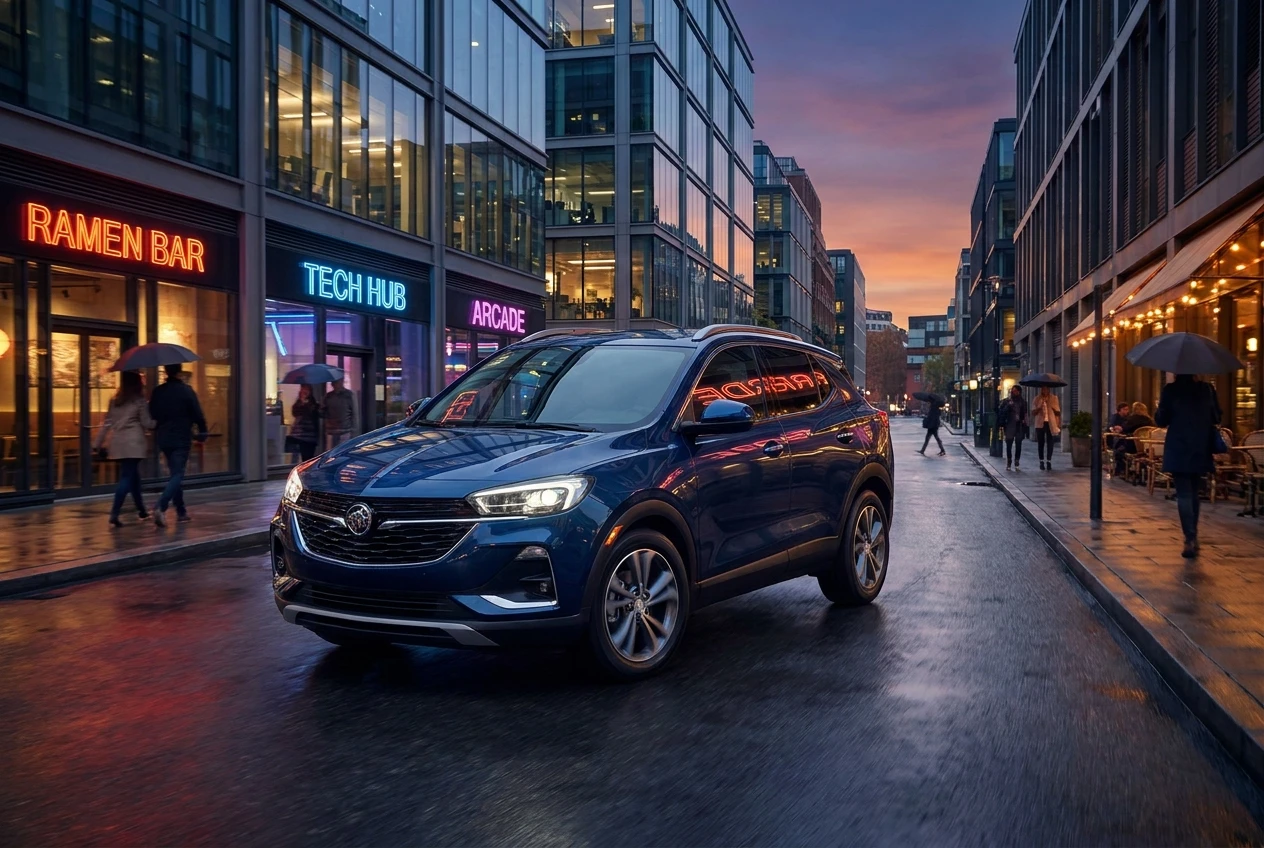
You clicked this link because you want a genuine, no-nonsense hyundai venue review, and I am here to give you exactly what you need. This compact SUV has been making serious waves among urban drivers, but is it really the ultimate daily driver for tight city streets and budget-conscious buyers? Let’s get straight to the facts. Last week, I was navigating the impossibly narrow cobblestone streets near Podil in Kyiv. If you have ever driven there, you know it is an absolute nightmare for anything larger than a skateboard. The streets are chaotic, the parking spots are microscopic, and the traffic moves with a mind of its own. But squeezing this exact vehicle through those chaotic intersections felt like a total breeze.
People on the sidewalks kept looking at the sharp, cascading grille, wondering how such a compact footprint still manages to look so aggressive and confident. I grabbed a flat white from a local coffee shop, threw my heavy laptop bag into the unexpectedly spacious trunk, and thought: people need to hear the real truth about this car. It is 2026, and our urban centers are more packed than ever, making vehicle choice absolutely critical for your daily sanity. I am going to break down every single detail you need to know, skipping the corporate fluff and getting straight to the point.
The Core Experience: What You Actually Get
Look, the main benefit here is sheer urban utility. You do not buy this machine to climb rocky mountains or ford deep rivers; you buy it to conquer the concrete jungle efficiently. On the flip side, the major drawback is the lack of all-wheel drive. If you live off-grid or face extreme rural winters, this is not your machine. But for everyday city life, it shines brighter than most of its expensive rivals. The value proposition hits you in two specific, highly practical ways.
First, fuel economy. With the cost of living acting crazy lately, getting well over 30 MPG in the city means your weekly fuel budget shrinks drastically. You can commute to work, hit the gym, grab groceries, and still have gas left over for a weekend road trip. Second, sheer maneuverability. Finding parking downtown usually requires a minor miracle, but this compact footprint fits into parallel spaces that normal-sized SUVs just have to drive past sadly.
Let’s break down the trim levels so you know exactly what you are paying for:
| Trim Level | Best Standard Feature | Overall Value Rating |
|---|---|---|
| SE | Advanced Safety Tech Suite | High – Best for strict budgets |
| SEL | 17-inch Alloy Wheels & Auto Temp | Very High – The sweet spot |
| Limited | Premium LED Lighting & Navigation | Moderate – Good for tech lovers |
If you are heading to the dealership this weekend, here is exactly how you should approach the evaluation process to make sure it fits your lifestyle:
- Test the extreme turning radius: Find a tight, empty parking lot and do a few back-to-back U-turns. You will instantly feel how nimble and responsive the steering rack actually is.
- Push the infotainment system hard: Connect your smartphone wirelessly and map a complicated route while playing music. Watch the screen’s responsiveness and check for any lag.
- Check the cargo versatility firsthand: Lower the dual-level cargo floor. It seems small from the outside, but dropping that floor gives you the depth to hold a surprisingly massive grocery haul or bulky luggage.
The Origins of a Compact Contender
Back when SUVs were getting massive and bloated, a huge gap appeared in the automotive market. Drivers desperately wanted the high, commanding seating position of a truck, but they demanded the footprint and agility of a small hatchback. The automaker realized this massive unfilled niche, leading directly to the birth of this specific model. Initially launched to target first-time buyers, young professionals, and urban dwellers, it was a highly calculated move. They took a proven, reliable chassis platform from their smaller cars, beefed up the suspension components, and designed a boxy, rugged exterior that screamed attitude without taking up three parking spaces at the mall.
The Evolution of Urban SUVs
As the years went by, consumer demands shifted rapidly. Drivers stopped caring as much about raw horsepower and zero-to-sixty times, focusing almost entirely on seamless connectivity, active safety, and fuel efficiency. The model evolved by stripping away unnecessary mechanical weight and adding robust driver-assistance suites as standard equipment across the board. Instead of trying to be a rugged off-roader, it fully embraced its core identity as an asphalt warrior. The interior went from featuring basic plastics to showcasing beautifully textured materials, clever storage cubbies, and visually distinct fabrics that gave it a distinct, youthful personality compared to its boring, gray competitors.
The Modern State in 2026
Right now, as we navigate the automotive landscape of 2026, the vehicle has cemented its place as a top seller in the highly competitive subcompact class. It isn’t trying to pretend it is something it isn’t, and that honesty is refreshing. The modern iteration features much sharper LED lighting signatures, updated digital clusters that are easy on the eyes at night, and processing software that actually feels like it belongs in this decade. It perfectly represents the global shift toward pragmatic, stylish, and highly functional transportation. People want accessible tech, they want bulletproof reliability, and they want it all wrapped up in a package that looks incredibly good parked outside their favorite neighborhood bakery.
Engine Dynamics and Powertrain Efficiency
Let’s get slightly technical without making your eyes glaze over with engineering jargon. At the beating heart of this machine sits a naturally aspirated 1.6-liter four-cylinder engine. “Naturally aspirated” simply means it does not use a turbocharger to forcefully jam air into the engine; it breathes normal atmospheric air just like we do. This specific design results in incredibly predictable, linear power delivery that you can rely on. It is mated to an Intelligent Variable Transmission (IVT). Most traditional cars use distinct gears, shifting abruptly up and down as you accelerate. An IVT, however, uses a brilliant, complex system of robust belts and pulleys to constantly adjust the gear ratio on the fly, keeping the engine operating at its absolute most efficient RPM at all times. That is the exact scientific reason why the fuel economy numbers are so ridiculously good. You get smooth, uninterrupted, elastic acceleration instead of the jerky, hesitant shifts found in older automatic transmissions.
Structural Integrity and Sensor Tech
Modern vehicles are essentially rolling supercomputers wrapped in highly engineered steel cages. The structural chassis utilizes advanced high-strength steel (AHSS) that is stamped at incredibly high temperatures to massively increase torsional rigidity while simultaneously reducing the overall curb weight. This engineering marvel means far better crash protection for your family and much sharper handling characteristics when you take a corner entirely too fast. Furthermore, the front grille cleverly conceals sophisticated millimeter-wave radar sensors.
Here are the core technical specifications operating silently behind the scenes to keep you safe and comfortable:
- SmartSense Integration: Utilizes advanced camera algorithms mounted near the rearview mirror to actively monitor highway lane markings and automatically apply micro-steering corrections to keep you centered.
- Forward Collision-Avoidance Assist (FCA): Uses continuous kinetic sensor data to calculate the exact closing speed between you and the car ahead, triggering full emergency braking in mere milliseconds if an impact is imminent.
- Dual Port Fuel Injection: Sprays highly atomized, fine mists of fuel directly into the engine cylinders, creating a much cleaner burn, maximizing power output, and significantly reducing carbon emissions.
- MacPherson Strut Front Suspension: Uses a heavy-duty telescopic damper to instantly absorb the violent kinetic impact from deep city potholes, keeping the passenger cabin remarkably stable and quiet.
Day 1: The Delivery Inspection
Buying and breaking in your new ride should be a structured, enjoyable process. Here is your ultimate 7-day action plan. Do not just grab the keys from the dealer and speed off into the sunset. Walk slowly around the car, inspect the clear coat paint under natural sunlight for any transport scratches, and ensure the dealer actually inflated the tires to the correct PSI listed on the driver’s door jamb. Under-inflated tires will ruin your gas mileage from day one.
Day 2: Infotainment Deep Customization
Sit in your driveway with a cup of coffee and pair your smartphone. Set up your wireless Apple CarPlay or Android Auto properly. Organize the digital home screen icons so your most-used apps, like your favorite navigation app and podcast player, are right at your fingertips. Adjust the audio equalizer settings to get the bass and treble exactly where you like them.
Day 3: Testing the Drive Modes
Take a varied, dynamic route today. Switch actively between Normal, Sport, and Snow modes. Feel precisely how Sport mode tightens the steering wheel feedback, making it heavier, and holds the engine RPMs higher for much quicker, safer merging on the fast-paced highway.
Day 4: Optimizing the Cargo Floor
Play around with the dual-level cargo space. Lower it to the absolute bottom setting to see how deep the trunk really gets. Practice stowing the hard rear cargo cover right behind the rear seats so you know exactly how to handle unexpected, bulky furniture pickups without scratching the interior plastic.
Day 5: Calibrating the Safety Systems
Go directly into the vehicle settings menu on the main screen. Adjust the sensitivity of the Lane Keeping Assist and the Blind-Spot Collision Warning. Some drivers prefer early, loud warnings, while others like the alerts to trigger a bit later and quieter. Make the car work perfectly for your driving style.
Day 6: The Long Highway Run
Take it completely out of the city limits. Drive for at least an hour on the open freeway to break in the internal engine components properly. Vary your speeds slightly—do not sit at the exact same RPM for hours during this critical initial break-in period. Let the engine breathe and seat the piston rings properly.
Day 7: The Wash and Wax Ritual
Give it its very first careful hand wash. Using a high-quality microfiber wash mitt and pH-neutral automotive soap, gently clean off the accumulated road grime. Apply a layer of premium ceramic spray wax to protect the delicate clear coat for the harsh weather months ahead.
Myths vs. Reality: Clearing the Air
Let’s quickly clear up some absolute nonsense currently circulating on various internet car forums.
Myth: Subcompact SUVs are incredibly unsafe on the fast highway.
Reality: Thanks to advanced high-strength steel architecture and highly responsive standard driver-assistance systems, this vehicle actually holds top-tier safety ratings and can easily handle heavy, aggressive highway traffic securely.
Myth: The engine is far too weak for highway passing maneuvers.
Reality: While it definitely will not win a drag race against a dedicated sports car, the intelligent transmission keeps the powerband highly optimal. It has more than enough punch to merge confidently and pass safely at high freeway speeds.
Myth: You cannot fit average adults comfortably in the back seat.
Reality: The boxy, squared-off roofline was designed specifically to maximize interior headroom. Two tall adults can comfortably sit in the rear without their heads hitting the roof or their knees crushing painfully against the front seats.
Myth: All small, budget-friendly SUVs have terrible, noisy cabins.
Reality: Extensive sound-deadening materials strategically placed under the floorboards, combined with acoustic laminated glass on the windshield, keep the harsh wind and tire noise surprisingly hushed.
Frequently Asked Questions
Does it have all-wheel drive?
No, it is strictly a front-wheel-drive platform, though it does include a specialized Snow mode that subtly adjusts throttle response and traction control for better grip on slippery winter roads.
What is the real-world gas mileage?
You can consistently hit around 31 to 33 MPG combined in everyday driving, depending heavily on how aggressive your right foot is off the stoplight.
Does it require expensive premium fuel?
Absolutely not. Standard 87 octane unleaded gasoline works perfectly fine and saves you a significant amount of money at the pump every single week.
Are the seats comfortable for long road trips?
Yes, the front seats offer surprisingly solid lower lumbar support and firm side bolsters that hold your body securely during sharp city turns and long highway stints.
How big is the main touch screen?
It features a bright, highly intuitive 8-inch color touchscreen display that comes entirely standard on all available trim levels, offering great visibility even in direct sunlight.
Does it come with a real spare tire?
Yes, unlike many modern cars that just give you a useless can of fix-a-flat, it comes with a physical compact spare tire tucked safely under the rear cargo floor.
Is the routine maintenance expensive?
No, mechanical parts are widely available globally, the engineering is relatively straightforward, and routine scheduled maintenance is highly affordable compared to European competitors.
Does it have a power sunroof?
A power sunroof is available as an option, but you will need to step up to the higher, more premium trim levels to get it equipped from the factory.
Can you tow a small trailer with it?
Towing is not recommended by the manufacturer; the transmission and chassis are built specifically for hauling cargo inside the cabin, not pulling heavy external loads.
Is it a good vehicle for new, inexperienced drivers?
It is genuinely exceptional for beginners due to its massive glass windows for visibility, active blind-spot monitoring checks, and incredibly manageable compact size.
To wrap things up, finding the right daily driver does not have to be an overwhelming, stressful experience. You want something that is mechanically reliable, visually striking, and effortlessly easy to park in crowded spaces. If you enjoyed this detailed breakdown and honest perspective, share this guide with a friend who is currently car shopping, and hit that subscribe button for more brutally honest automotive takes!

Leave a Reply