
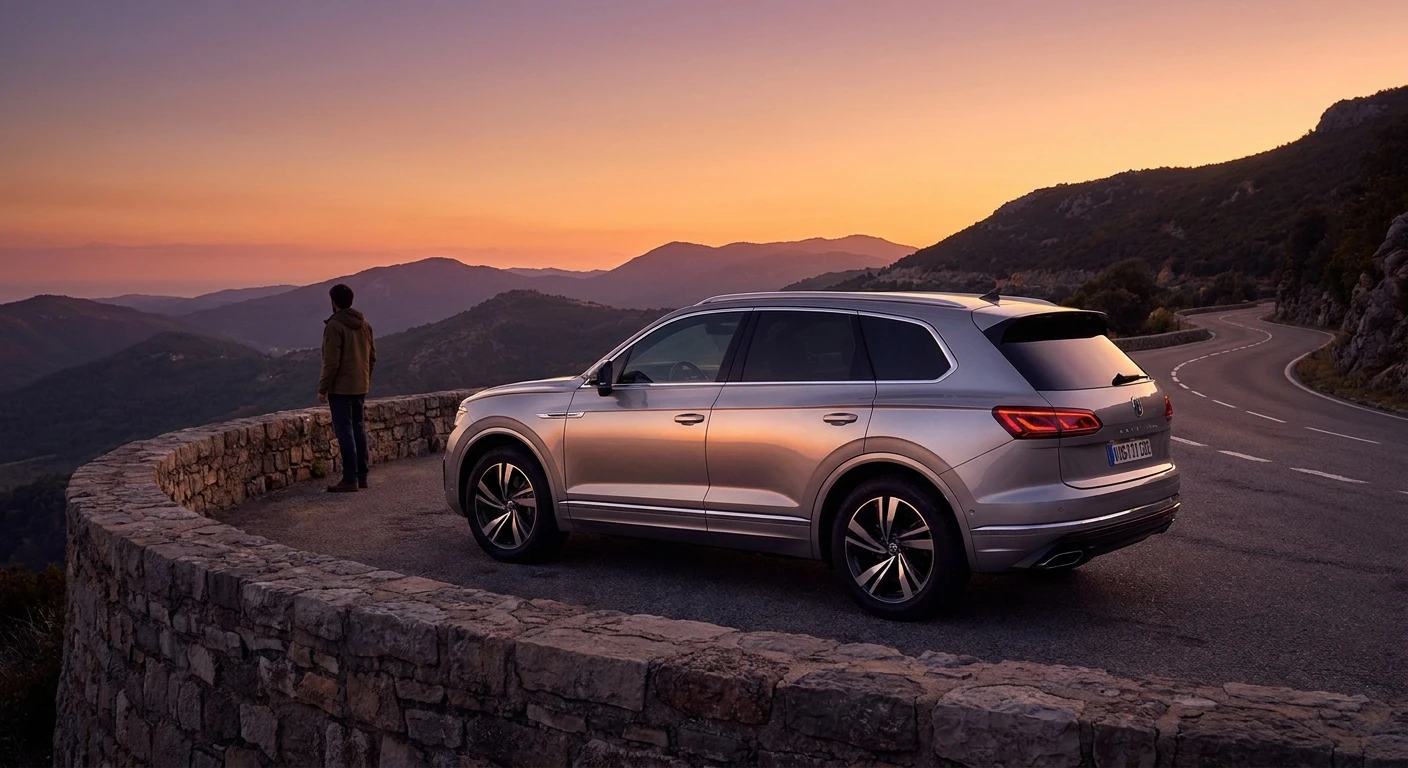
The Ultimate Guide to the 2021 Honda CRV
Finding the absolute right compact crossover in a crowded marketplace often feels like an impossible task, but the 2021 Honda CRV stands out as an exceptional choice for anyone prioritizing reliability, interior comfort, and fuel efficiency. As the definitive sweet spot of the fifth generation, this model year encapsulates everything that makes modern crossover utility vehicles so highly sought after by families and daily commuters alike. You do not just buy a vehicle; you invest in a highly engineered piece of machinery designed to simplify daily logistics. The 2021 iteration brought subtle refinement to the already winning formula, ensuring that the technology, safety features, and driving dynamics were fine-tuned to near perfection. Whether you are navigating tight urban parking spaces, embarking on lengthy interstate road trips, or simply handling the chaotic routine of school drop-offs and grocery runs, this vehicle is designed to be your steadfast companion. By maintaining the perfect balance between cargo capacity and nimble handling, this crossover ensures that drivers never feel overwhelmed by the sheer size of the vehicle while still having all the necessary room to transport significant amounts of gear. This guide walks you through every major aspect of the vehicle, from its mechanical engineering to its daily maintenance, ensuring you have all the facts necessary to make an informed decision.
Core Benefits and Daily Utility
Understanding the fundamental value proposition of the crossover requires looking closely at how it operates under real-world conditions. The main appeal of this vehicle lies in its unparalleled ability to act as a versatile tool for vastly different lifestyles. Drivers require a vehicle that asks for very few compromises, and this model delivers exactly that by blending the fuel efficiency typically found in much smaller sedans with the elevated seating position and cargo flexibility associated with much larger sports utility vehicles. You gain the confidence of available all-wheel drive for inclement weather without suffering the massive fuel economy penalties usually attached to four-wheel traction systems. Furthermore, the interior space utilization is nothing short of an engineering marvel. By maximizing the cabin volume and employing clever storage solutions like the configurable center console, the design team ensured that every square inch serves a practical purpose.
Read also: 2021 Ford Escape: Complete Specs, Trims, and Honest Review; Honda Passport 2025: Complete Review and Buying Guide; Discover the Grand Highlander 2025: Specs, Trims & Features.
To illustrate the specific variations available to buyers, the following table breaks down the primary trim levels, their respective powertrain configurations, and the standout features that define each tier:
| Trim Level | Powertrain Configuration | Key Standard Feature |
|---|---|---|
| LX Base Trim | 1.5L Turbocharged 4-Cylinder | Automatic Climate Control |
| EX Mid-Level Trim | 1.5L Turbocharged 4-Cylinder | Blind Spot Information System |
| Touring Top Trim | 1.5L Turbo / Hybrid Option | Hands-Free Access Power Tailgate |
When assessing why buyers consistently choose this crossover over its direct competitors, three distinct advantages become immediately apparent. These elements form the foundation of its sustained market dominance:
- Advanced Safety Suite: The standard inclusion of millimeter-wave radar and monocular camera systems across all trims ensures active collision mitigation, adaptive cruise control, and lane-keeping assistance without requiring expensive package upgrades.
- Unmatched Cargo Space: Offering up to 39.2 cubic feet of space behind the second row, and a cavernous 75.8 cubic feet with the rear seats folded completely flat, it accommodates bulky furniture, extensive camping gear, or large pet crates with ease.
- Optimized Fuel Efficiency: The continuous variable transmission (CVT) paired with a low-displacement, high-output turbocharged engine yields impressive highway mileage, keeping long-term running costs exceptionally low.
Consider a typical weekend scenario where a family needs to transport two teenagers, weekend luggage, and sporting equipment. The expansive rear legroom prevents passenger fatigue, while the low load floor makes packing heavy coolers almost effortless. Similarly, for a young professional with a long daily commute, the acoustic glass and active noise cancellation in higher trims create a serene cabin environment, reducing the stress of stop-and-go traffic.
History and Origins of the Compact Crossover
Origins of the Comfortable Runabout
The concept of a crossover utility vehicle did not materialize overnight. When the Japanese automaker first introduced the nameplate in the mid-1990s, the automotive landscape was dominated by heavy, truck-based, body-on-frame SUVs that were cumbersome to drive and expensive to fuel. The industry needed a vehicle that offered the rugged appearance and utility of a traditional SUV but utilized the lightweight, unibody construction of a standard passenger car. By adapting the highly successful Civic platform, engineers created the ‘Comfortable Runabout Vehicle’. This initial iteration immediately captured the attention of consumers who wanted an elevated driving position and all-weather capability but absolutely refused to tolerate truck-like handling. The early models featured quirky design elements, such as a rear-mounted spare tire and a folding picnic table hidden beneath the cargo floor, highlighting its focus on active, outdoor lifestyles.
Evolution Through the Generations
As consumer tastes matured, the vehicle underwent significant evolutionary changes across its subsequent generations. The second generation introduced a more robust i-VTEC engine, drastically improving highway passing power. By the time the third generation debuted, the exterior styling shifted away from the boxy, rugged look toward a more refined, aerodynamic silhouette. The hallmark rear-mounted spare tire was relocated beneath the cargo floor, which allowed for a rear liftgate rather than a side-hinged door, vastly improving usability in tight parking lots. The fourth generation pushed interior material quality higher, making the cabin significantly quieter and more luxurious. Engineers continually refined the suspension geometry, transitioning from a basic setup to a sophisticated multi-link rear suspension that provided a smoother ride over rough pavement without sacrificing cornering stability.
Modern State of the Lineup
The fifth generation, encompassing the 2021 model year, represents the pinnacle of this evolutionary process. It marked a radical departure under the hood, replacing naturally aspirated powerplants with small-displacement turbocharged engines across almost all trims. This era also introduced a highly efficient two-motor hybrid powertrain to the lineup, directly addressing the growing consumer demand for electrified vehicles. The modern architecture utilizes ultra-high-strength steel for increased chassis rigidity, which simultaneously reduces overall weight and vastly improves crash test performance. Today, the vehicle stands as a benchmark in its class, perfectly balancing decades of accumulated engineering knowledge with cutting-edge digital connectivity and safety automation.
Scientific and Technical Deep Dive
Powertrain Engineering and Turbo Dynamics
At the heart of the standard vehicle lies a highly sophisticated 1.5-liter, direct-injected, turbocharged four-cylinder engine. Unlike older turbochargers that suffered from massive lag before delivering power, this modern system utilizes a low-inertia turbine that spools up exceptionally fast. Direct fuel injection allows for a higher compression ratio by cooling the combustion chamber with a precise mist of fuel, preventing engine knock. This thermal efficiency means the engine extracts maximum kinetic energy from every drop of fuel. The power is managed by a Continuously Variable Transmission (CVT). Instead of traditional fixed gears, a CVT uses two adjustable conical pulleys connected by a high-strength steel belt. As vehicle speed and engine load change, the pulleys seamlessly adjust their width, altering the gear ratio infinitely. This keeps the engine exactly within its most efficient power band, whether you are accelerating hard onto a freeway or cruising steadily at low RPMs to maximize fuel economy.
The Science of Advanced Sensor Fusion
The active safety systems rely on a concept known as sensor fusion, which mathematically combines data from multiple distinct sensor types to create a highly accurate model of the vehicle’s surrounding environment. A millimeter-wave radar mounted behind the front grille calculates the exact distance and closing speed of vehicles ahead by measuring the time it takes for radio waves to bounce back. Simultaneously, a monocular camera mounted behind the rearview mirror utilizes machine vision algorithms to identify lane markings, pedestrian shapes, and traffic signs.
- Radar Reflection Analysis: The system filters out static objects like bridges and parked cars to focus strictly on moving obstacles in the vehicle’s direct path.
- Optical Pixel Processing: The camera constantly evaluates contrast differentials on the asphalt to determine the exact boundaries of the lane, even in faded or worn conditions.
- Algorithmic Threat Assessment: The onboard computer cross-references the radar distance data with the camera’s visual identification at millisecond intervals to determine if automatic emergency braking must be deployed.
- Steering Torque Vectoring: If lane departure is detected, the electronic power steering rack applies precise corrective torque to gently guide the vehicle back to the center of the lane without jarring the driver.
Actionable 7-Step Ownership Plan
Step 1: Assess Your Powertrain Needs
Before purchasing, critically evaluate your daily driving environment. If your commute involves heavy stop-and-go city traffic, the hybrid powertrain will yield massive fuel savings by utilizing regenerative braking and electric-only propulsion at low speeds. Conversely, if you primarily drive on open highways, the standard 1.5L turbocharged engine is highly efficient and comes with a lower initial purchase price. Factor in your annual mileage to determine the return on investment.Step 2: Select the Ideal Trim Configuration
Carefully review the feature list of each trim. The base LX provides all the necessary safety equipment, but stepping up to the EX trim adds significant creature comforts like heated front seats, a power moonroof, and the larger touchscreen interface. If premium audio, leather-trimmed seats, and larger alloy wheels are non-negotiable for you, focus your search exclusively on the Touring models.
Step 3: Conduct a Comprehensive Test Drive
When testing the vehicle, pay close attention to the operation of the CVT. Accelerate briskly from a complete stop to ensure the power delivery feels smooth and uninterrupted. Test the active cruise control on the highway to experience how seamlessly the radar system adjusts speed when approaching slower traffic. Listen for excessive wind noise around the A-pillars at highway speeds.
Step 4: Master the Infotainment System
Once you take ownership, spend an afternoon configuring the digital interface. Connect your smartphone via Apple CarPlay or Android Auto and familiarize yourself with the voice command structure. Adjust the equalizer settings for the audio system and customize the digital gauge cluster to display the specific data you value most, such as fuel range, turbo boost pressure, or turn-by-turn navigation.
Step 5: Establish a Strict Maintenance Routine
Adhere strictly to the onboard maintenance minder system. The turbocharged engine requires high-quality, full-synthetic 0W-20 motor oil to keep the turbine bearings properly lubricated and cool. Do not stretch oil change intervals beyond the manufacturer’s recommendation, as clean oil is the absolute lifeblood of forced-induction engines. Regularly check the air filter, as a clogged filter will significantly degrade fuel economy and acceleration.
Step 6: Monitor Tire and Suspension Health
Because the crossover utilizes a sophisticated multi-link rear suspension, maintaining proper wheel alignment is crucial for preventing uneven tire wear. Check your tire pressure monthly, as under-inflated tires increase rolling resistance and generate excess heat. Rotate your tires every 5,000 to 7,500 miles to ensure the tread wears evenly across all four corners, maximizing the lifespan of the rubber.
Step 7: Preserve the Exterior Finish
Protect the vehicle’s paint by applying a high-quality ceramic coating or synthetic polymer sealant twice a year. The large frontal area of the crossover is prone to insect impacts and road debris. Regularly wash the undercarriage during winter months if you live in an area that uses road salt, as this will prevent corrosion on the exhaust components and suspension linkages.
Myths and Reality
Myth: The crossover is a fully capable off-road vehicle built for traversing difficult trails.
Reality: While the available all-wheel-drive system provides excellent traction in snow, heavy rain, and light gravel, the vehicle lacks the ground clearance, low-range gearing, and locking differentials required for serious rock crawling or deep mud driving. It is designed for on-road stability and mild adverse weather.
Myth: Continuously variable transmissions are inherently weak and fail frequently under load.
Reality: Early industry CVTs suffered from reliability issues, but the modern transmission utilized here features heavy-duty steel belts and optimized thermal management. With regular fluid changes as prescribed by the maintenance schedule, it is highly durable and easily lasts the lifespan of the vehicle.
Myth: Turbocharged engines do not last as long as naturally aspirated engines.
Reality: Modern turbocharging systems are liquid-cooled and built with advanced metallurgy to withstand extreme heat cycles. As long as the owner uses the correct synthetic oil and follows the maintenance intervals, the longevity of this 1.5L engine rivals any traditional powerplant.
Myth: Opting for the hybrid model severely reduces interior cargo space because of the battery pack.
Reality: Engineers cleverly packaged the hybrid battery beneath the cargo floor. While you lose the spare tire in favor of an inflation kit, the overall cubic footage for luggage and passenger seating remains nearly identical to the strictly gas-powered model.
Frequently Asked Questions and Conclusion
Does the 2021 model have smartphone integration?
Yes, all trims above the base LX come standard with full Apple CarPlay and Android Auto integration through a high-resolution touchscreen interface.
What is the average fuel economy?
The standard front-wheel-drive turbocharged model typically achieves around 28 MPG in the city and 34 MPG on the highway, making it highly competitive in its class.
Is all-wheel drive standard on all trims?
No, front-wheel drive is the standard configuration, but the advanced real-time all-wheel-drive system is available as an option across all non-hybrid trim levels.
How much towing capacity does it offer?
When properly equipped, the standard gasoline model can safely tow up to 1,500 pounds, which is adequate for a small utility trailer, personal watercraft, or a lightweight teardrop camper.
Does the vehicle feature a third row of seating?
No, it is strictly a two-row, five-passenger crossover. This design choice guarantees expansive legroom for the second row and a massive rear cargo area.
Is the hybrid version significantly faster?
The hybrid model produces a combined 212 horsepower, offering a slightly more immediate torque response off the line due to the electric motors, making it feel slightly quicker in city driving.
Are heated seats available?
Yes, heated front seats are standard equipment on the EX, EX-L, and Touring trims, ensuring passenger comfort during harsh winter conditions.
In summary, the 2021 Honda CRV continues to dictate the standards for the modern crossover market by offering a masterclass in packaging, efficiency, and daily utility. It refuses to force drivers to compromise between running costs and interior volume. Whether you are actively browsing dealership lots or analyzing private seller listings, equipped with this deep understanding of the vehicle’s mechanics, history, and daily maintenance requirements, you are fully prepared to secure the best possible deal. Take the next step, schedule a thorough test drive, and experience firsthand why this vehicle remains a permanent fixture at the top of the automotive sales charts.

Leave a Reply