
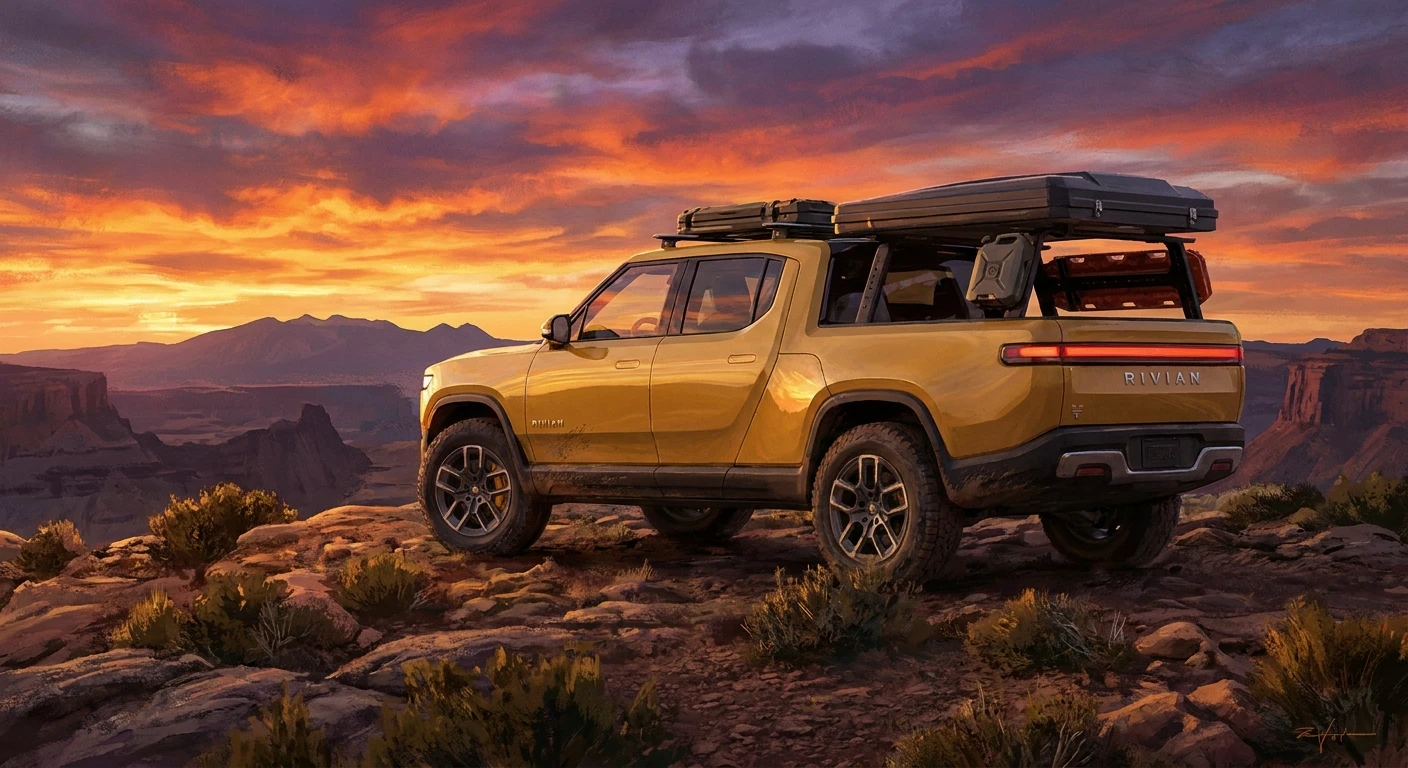
The 2022 Nissan Frontier: A Midsize Powerhouse Reimagined
Let us talk trucks. The midsize pickup segment is fiercely competitive, and finding a rig that balances daily drivability with rugged weekend capability is a top priority for many buyers. Getting into the specifics of a reliable midsize pickup means understanding exactly what the 2022 Nissan Frontier brings to both the asphalt and the dirt. For over a decade and a half, its predecessor held the fort with minor updates, but the completely redesigned 2022 iteration arrived with a massive visual and mechanical overhaul that sent shockwaves through the automotive market. This is not just a simple cosmetic facelift; it is a fundamental shift in styling, interior comfort, and technology integration aimed directly at modern driver demands. The midsize truck segment had been heating up with heavy hitters dominating the sales charts, requiring a bold, decisive move from engineers and designers alike. They opted to keep the robust, naturally aspirated V6 instead of downsizing to a turbocharged four-cylinder, a decision that strongly appealed to truck purists looking for long-term durability and predictable power delivery. This comprehensive guide breaks down its mechanics, trim levels, and performance metrics to help you gauge its true utility, whether you are hauling construction materials, towing a weekend watercraft, or simply commuting through urban traffic. We will dissect the engineering choices, explore the rich history of the nameplate, and lay out an actionable plan for evaluating this specific model year on the pre-owned market today.
Core Benefits and Real-World Utility
When you evaluate the core benefits of this pickup, you have to look at how it improves the driver experience in everyday scenarios. The engineering team focused heavily on noise, vibration, and harshness (NVH) reduction, employing acoustic laminated glass in the front doors and adding significantly more sound insulation throughout the cabin firewall and floor pan. This makes highway cruising surprisingly serene for a body-on-frame vehicle. Furthermore, the inclusion of Zero Gravity front seats, which use ergonomic concepts inspired by space travel to support the spine, drastically reduces fatigue on long road trips. Below is a breakdown of the primary trim levels and their ideal use cases.
Read also: The Ultimate Guide to the 2022 Toyota Tundra; Review of the 2024 chevy traverse; Nissan Versa 2024: Complete Review, Specs, and Features.
| Trim Level | Drivetrain Options | Ideal Use Case |
|---|---|---|
| S & SV | 2WD or 4WD | Daily commuting and general fleet work |
| PRO-X | 2WD Only | Aggressive street styling and light dirt roads |
| PRO-4X | 4WD Only | Serious off-road trails and overlanding |
The value proposition of this truck becomes glaringly obvious when you look at practical applications. For example, consider a weekend warrior looking to tow a heavy load. With a maximum towing capacity of up to 6,720 pounds when properly equipped, this truck can easily haul a dual-axle utility trailer or a sizable fiberglass boat without the transmission constantly hunting for gears, thanks to the wide ratio spread of the nine-speed automatic. Another prime example is the overlanding enthusiast. By opting for the PRO-4X model, buyers get underbody skid plates protecting the oil pan, transfer case, and fuel tank, alongside an electronic locking rear differential. This hardware allows the vehicle to articulate over rocky terrain and maintain forward momentum even when one rear wheel loses traction completely. The cargo bed is equally impressive, designed for maximum usability.
Here are the top three utility features found in the cargo area:
- Utili-track Channel System: Three highly durable aluminum channels run along the bed walls and floor, utilizing heavy-duty adjustable tie-down cleats to secure oddly shaped cargo securely.
- Factory-Applied Spray-on Bedliner: A highly resilient textured coating that prevents rust, resists gouging from heavy tools, and provides a non-slip surface for loading equipment in wet conditions.
- Dampened Tailgate Assist: A simple but brilliant mechanical damper that prevents the heavy tailgate from slamming down abruptly, allowing for safe, one-handed operation when your other hand is holding cargo.
Origins of the Frontier Nameplate
To truly appreciate this modern iteration, one must look back at the origins of the compact truck lineage. The nameplate was officially introduced in the North American market for the 1998 model year, stepping in to replace the legendary and virtually indestructible Hardbody (D21) series. That original truck was designed to be a lightweight, inexpensive workhorse. It utilized small displacement four-cylinder engines and offered a utilitarian interior that prioritized function over form. It quickly gained a reputation for clocking hundreds of thousands of miles with nothing more than basic routine maintenance, establishing a fiercely loyal customer base that valued reliability above all else.
Evolution Through the Second Generation
The second generation, internally known as the D40, debuted for the 2005 model year and transitioned the vehicle from a compact to a true midsize pickup. It shared the F-Alpha platform with larger SUVs, giving it a fully boxed ladder frame that dramatically increased rigidity and towing capacity. This generation had an astoundingly long production run, remaining largely unchanged for over sixteen years. While critics often pointed out its aging interior and outdated infotainment systems as the years rolled on, sales remained consistently strong. Buyers appreciated the proven mechanical reliability, the lack of complicated electronics that could fail, and the highly competitive price point compared to newer, more expensive rivals in the segment.
Modern State: The D41 Redesign
This brings us to the D41 generation, which officially launched for the 2022 model year. The development team actually used the final two years of the previous generation to field-test the brand new powertrain, placing the new 3.8-liter V6 and nine-speed transmission into the old body style in 2020 and 2021. When the full 2022 redesign arrived, it brought a completely new, squared-off exterior design reminiscent of the original Hardbody, alongside a modern, tech-forward interior featuring an available 9-inch touchscreen, Apple CarPlay, and Android Auto. It retained the heavily updated F-Alpha frame, ensuring that the proven structural integrity remained intact while everything else was modernized to meet current consumer expectations.
Powertrain Mechanics
Under the hood, the engineering is heavily focused on optimizing thermal efficiency and power delivery. The heart of the truck is the VQ38DD 3.8-liter naturally aspirated V6 engine. This engine utilizes direct injection gasoline (DIG) technology, which precisely sprays fuel directly into the combustion chamber at extreme high pressure. This allows for a higher compression ratio, resulting in cleaner combustion, better fuel economy, and higher overall power output compared to port-injected engines. Mated to this V6 is a Jatco JR913E nine-speed automatic transmission. The nine gears provide a very low first gear ratio for rapid acceleration from a standstill and excellent low-speed crawling capability off-road, while the top overdrive gears keep engine RPMs remarkably low during highway cruising, mitigating fuel consumption and engine noise.
Chassis and Suspension Engineering
The suspension geometry was meticulously revised for this generation. While it retains an independent double-wishbone front suspension and a solid axle with leaf springs in the rear, the engineers implemented a larger front stabilizer bar and completely retuned the hydraulic cab mounts. These changes drastically reduce body roll during cornering and isolate the cabin from harsh impacts when traversing potholes or uneven terrain. Furthermore, the steering rack ratio was quickened by 16 percent, making the truck feel significantly more agile in tight parking lots and responsive on winding back roads.
- Horsepower: 310 hp @ 6,400 rpm, leading the naturally aspirated midsize class.
- Torque: 281 lb-ft @ 4,400 rpm, providing excellent mid-range passing power.
- Compression ratio: 11.0:1, optimizing the direct injection system for maximum thermal efficiency.
- Turning diameter: 42.0 feet on PRO-4X models, allowing for reasonable maneuverability on tight forest trails.
Day 1: Fluid Level Assessment
When evaluating one of these trucks on the pre-owned market, start your seven-day inspection plan by examining the vital fluids. Park the vehicle on a level surface. Pull the engine oil dipstick to check for proper level and ensure the oil is not milky, which would indicate a highly problematic coolant leak. Check the pink engine coolant in the translucent reservoir. While the nine-speed transmission is a sealed unit without a traditional dipstick, you should visually inspect the undercarriage around the transmission bell housing and oil pan for any signs of weeping fluid.
Day 2: Tire and Brake Inspection
On the second day, focus on the wear items. Use a tread depth gauge to check all four tires, ensuring they wear evenly across the width of the tread. Uneven wear often points to alignment issues or worn suspension components. Look through the spokes of the alloy wheels to inspect the brake pads and rotors. The front rotors on this truck are heavily vented for cooling; ensure there are no deep grooves or severe rust lips on the outer edges that would necessitate immediate replacement.
Day 3: Suspension and Chassis Check
Crawl underneath the truck on day three. If you are looking at a PRO-4X model, pay special attention to the Bilstein 4600 series shock absorbers. Check the main shock bodies for any signs of leaking hydraulic fluid. Inspect the rear leaf springs to ensure none of the individual steel leaves are cracked. Take a flashlight and examine the fully boxed ladder frame for excessive rust, particularly if the vehicle spent its life in regions that heavily salt their roads during winter.
Day 4: Battery and Electrical Diagnostics
Modern vehicles require a strong, consistent voltage supply. On day four, use a multimeter to check the resting voltage of the battery, which should sit around 12.6 volts. Start the engine and verify the alternator is charging the system at approximately 14.2 to 14.6 volts. Plug an OBD2 scanner into the diagnostic port under the dashboard to check for any stored or pending trouble codes, even if the Check Engine Light is not currently illuminated on the gauge cluster.
Day 5: Infotainment and Software Updates
Dedicate the fifth day to the interior electronics. Turn on the 8-inch or 9-inch touchscreen and cycle through all the menus. Connect your smartphone to test both the Apple CarPlay and Android Auto integrations, ensuring the USB ports are providing data transfer and charging power. Check the physical buttons and knobs for tactile feedback, and ensure the backup camera provides a clear, uncorrupted image when you shift the vehicle into reverse gear.
Day 6: Bed Utility System Testing
Examine the cargo box thoroughly. Lower the tailgate to test the dampened assist mechanism; it should drop slowly and smoothly, not slam down. Move the aluminum tie-down cleats along the Utili-track rails to ensure they slide freely and lock tightly into position. Turn on the factory bed lighting switch from the cabin to verify the LED lights illuminate the cargo area effectively, which is crucial for loading gear in the dark.
Day 7: Comprehensive Road Test
Finally, take the truck for a comprehensive drive. Listen closely for any abnormal clunks or squeaks over speed bumps. Accelerate aggressively onto a highway to ensure the nine-speed transmission shifts smoothly without hesitation or harsh gear engagement. Find a safe dirt lot to engage the four-wheel-drive system, shifting from 2WD to 4WD High, and then into 4WD Low, ensuring the electronic transfer case actuator engages promptly without grinding noises.
Myth: It Is Just A Facelift
Myth: Many armchair critics claim that because it uses a modified version of the older F-Alpha frame, this truck is nothing more than a cosmetic facelift of the 2005 model. Reality: The engineering changes are vast and comprehensive. The entire body, interior, powertrain, steering rack, suspension tuning, and electrical architecture are completely new, resulting in a driving dynamic that is vastly superior and entirely modernized compared to its predecessor.
Myth: Lacks Towing Power
Myth: It lacks the necessary towing power because it does not use a modern turbocharged engine like some of its newer rivals. Reality: The robust, naturally aspirated 3.8-liter V6 delivers a very competitive 6,720-pound maximum towing capacity. More importantly, it delivers that power predictably without the dreaded turbo lag, making it exceptionally smooth and reliable when hauling heavy loads up steep inclines.
Myth: PRO-4X Is Just Stickers
Myth: The popular PRO-4X trim is merely a cosmetic appearance package designed to look aggressive on the pavement. Reality: It includes serious, highly functional hardware. Upgrades include an electronic locking rear differential for maximum traction, heavy-duty Bilstein off-road shocks for absorbing harsh impacts, and three steel skid plates protecting the truck’s vital underbelly components from rock damage.
Myth: Terrible Fuel Economy
Myth: Because it features a large displacement V6 engine, the fuel economy is unmanageably terrible. Reality: While it is definitely not an economy car, the integration of direct fuel injection and the wide gear ratios of the nine-speed transmission keep highway MPG highly competitive for the midsize truck class, often achieving low-to-mid 20s on the highway depending on the exact trim and drivetrain configuration.
What is the payload capacity?
The maximum payload capacity ranges up to 1,610 pounds depending on the specific cab configuration, bed length, and whether the truck is equipped with two-wheel or four-wheel drive. Lower trim 2WD models generally offer the highest payload limits.
Does it have Apple CarPlay?
Yes, Apple CarPlay and Android Auto are standard features across all trim levels, integrated into either the standard 8-inch touchscreen or the available 9-inch display on higher trims.
Is the V6 engine turbocharged?
No, the 3.8-liter V6 engine is naturally aspirated. It uses direct fuel injection and variable valve timing to produce its 310 horsepower rather than relying on forced induction.
What is the PRO-X trim?
The PRO-X is a two-wheel-drive variant of the rugged PRO-4X. It features the same aggressive styling, interior upgrades, and Bilstein shocks, but lacks the four-wheel-drive system and locking rear differential.
Does it offer a manual transmission?
No, this generation eliminated the manual transmission option entirely. Every model comes exclusively equipped with the nine-speed automatic transmission.
Are the seats comfortable?
Yes, the front seats utilize Nissan’s acclaimed Zero Gravity design philosophy. They are specifically engineered to provide continuous support from the pelvis to the chest, significantly reducing muscle fatigue on long drives.
Is it good for off-roading?
It is highly capable off-road, especially when stepping up to the PRO-4X trim, which provides the necessary ground clearance, suspension damping, and locking differential required for tackling difficult trails.
Final Thoughts and Next Steps
In summary, the 2022 Nissan Frontier represents a triumphant return to form for the brand in the highly competitive midsize pickup arena. By combining a no-nonsense, highly durable V6 engine with a vastly improved interior, excellent NVH characteristics, and serious off-road hardware, it strikes a near-perfect balance for both daily driving and weekend adventures. It honors its rugged lineage while providing all the modern amenities drivers expect today. Share this comprehensive guide with your fellow truck enthusiasts, or hit up a local dealer to test drive one and experience the capability firsthand today!

Leave a Reply