
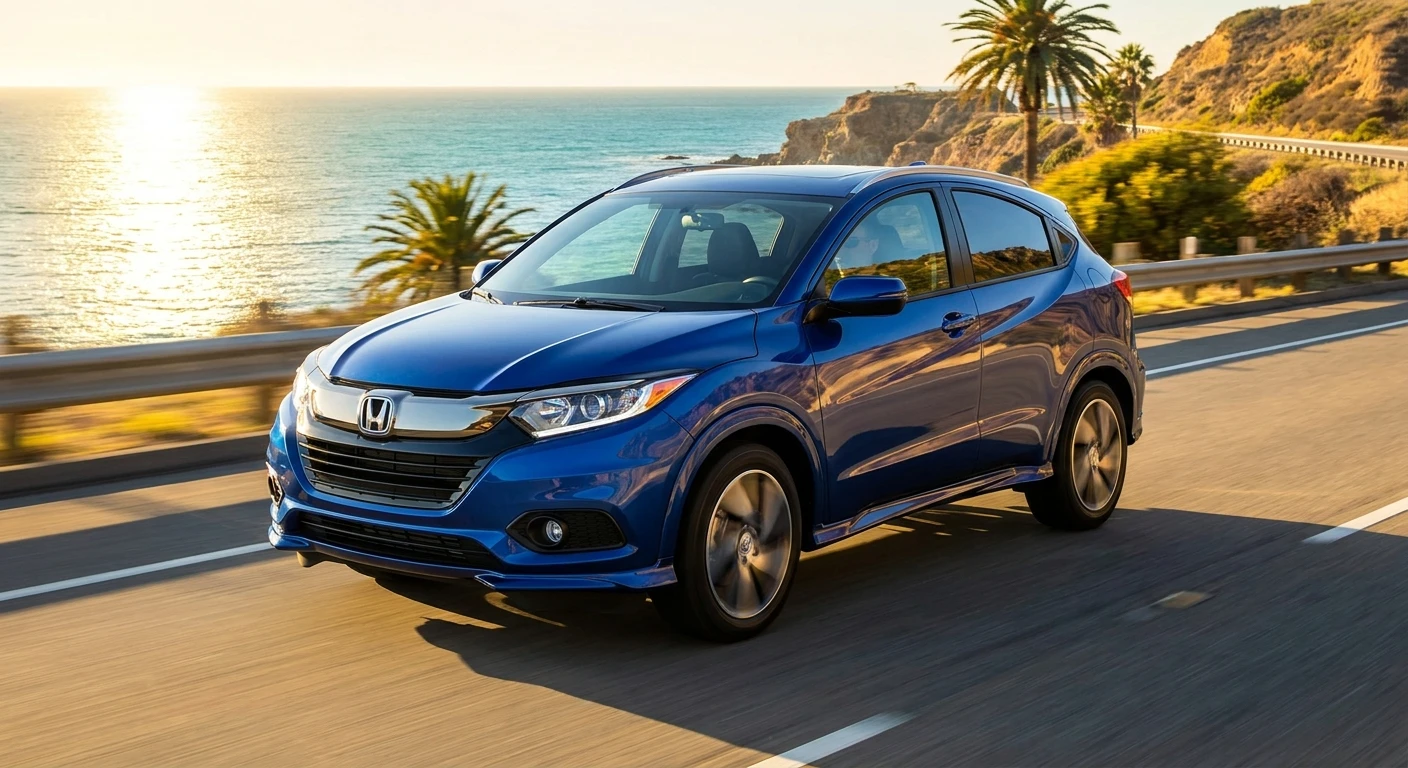
The Definitive Guide to the 2021 Ford Escape
Looking closely at the 2021 Ford Escape reveals a highly adaptable compact crossover built for drivers who need practical utility without sacrificing fuel efficiency. You know how challenging it can be to find a vehicle that seamlessly handles your bumper-to-bumper morning commute while still offering enough cargo flexibility for impromptu weekend road trips. The compact SUV segment is fiercely competitive, but this specific model generation bridges that exact gap perfectly. Instead of relying on a bulky, heavy frame, the aerodynamic styling of this vehicle takes cues from performance cars, allowing it to slice through the air and maximize every drop of fuel or electric charge. When you sit behind the wheel, the immediate impression is one of car-like agility rather than truck-like heaviness. The suspension absorbs road imperfections beautifully, keeping the cabin quiet and composed even at highway speeds. For anyone navigating crowded urban streets, tight parking garages, or expansive interstate highways, this crossover offers a refined, comfortable, and highly capable driving experience that continuously adapts to your daily routine.
Understanding the value proposition of this crossover requires examining exactly how it balances performance, passenger comfort, and cutting-edge automotive technology. Many buyers worry that choosing a compact SUV means settling for sluggish acceleration or poor fuel economy. However, you have multiple ways to configure this vehicle to match your exact driving style. For example, if your daily route consists mostly of city driving, the highly efficient front-wheel-drive base engine provides excellent miles per gallon. Conversely, if you frequently merge onto fast-moving highways or carry heavy loads, upgrading to the larger turbocharged engine delivers a robust 250 horsepower for effortless passing capability. These specific examples highlight why this crossover stands out in a crowded market. You get to decide exactly what kind of performance you want.
Read also: Honda Passport 2025: Complete Review and Buying Guide; Discover the Grand Highlander 2025: Specs, Trims & Features; The 2026 Corolla: Complete Review, Specs, and Features.
To fully grasp the options available, consider the standard configurations and what they offer across different trims. The technology and comfort levels scale significantly as you move up the lineup.
| Trim Level | Standard Engine Type | Estimated Combined MPG (Gas) |
|---|---|---|
| S / SE Base | 1.5L EcoBoost 3-Cylinder | 30 MPG (FWD) |
| SEL | 1.5L EcoBoost (2.0L Optional) | 26 MPG (AWD with 2.0L) |
| Titanium | 2.5L Hybrid Powertrain | 41 MPG (Hybrid FWD) |
Beyond raw specifications, the everyday utility of this vehicle relies heavily on its smart interior design and robust safety suite. Here are the core advantages that define its value:
- Advanced Active Safety Systems: The standard Co-Pilot360 suite includes automatic emergency braking, blind-spot monitoring, and lane-keeping assistance, ensuring a constant digital safety net around the vehicle.
- Adaptable Cargo Capacity: The sliding second-row seats offer incredible flexibility. You can push the seats back for maximum rear-passenger legroom or slide them forward to prioritize rear cargo volume when transporting bulky items.
- Intuitive Infotainment Interface: Equipped with the SYNC 3 system on most trims, the vehicle features seamless smartphone integration, crisp touchscreen graphics, and responsive voice controls that keep your eyes on the road.
These elements combine to create a daily driver that feels remarkably intuitive, reducing driving fatigue and making every journey notably more enjoyable.
The Origins of the Escape Nameplate
To truly appreciate the 2021 Ford Escape, you have to look back at how this iconic nameplate originated. Introduced for the 2001 model year, the original model was a massive shift for the manufacturer. Developed alongside Mazda, it utilized a car-like unibody platform rather than the heavy, truck-based, body-on-frame construction that dominated the SUV market at the time. This decision proved visionary. It offered drivers the elevated seating position and all-wheel-drive capability of a traditional SUV, combined with the predictable handling and fuel efficiency of a family sedan. The original design was noticeably boxy and rugged, appealing to buyers who wanted traditional truck aesthetics in a smaller, more manageable package.
The Evolution Through the Generations
As consumer preferences shifted, so did the design philosophy. The second generation introduced significant technological milestones, including some of the first hybrid powertrains ever offered in a mainstream crossover. By the time the third generation debuted in 2013, the vehicle underwent a radical transformation. Moving to a global vehicle architecture, it completely abandoned the boxy, upright styling of its predecessors. Instead, it adopted a sleek, swept-back, aerodynamic profile that prioritized highway efficiency and a quieter cabin. This generation cemented the model as a top seller, proving that buyers strongly preferred agile, car-like handling and modern aesthetics over traditional, rugged truck styling.
The Modern State: Redefining 2021
The fourth generation, which encompasses the 2021 Ford Escape, represents the pinnacle of this evolutionary process. Designers drew direct inspiration from the brand’s performance vehicles, resulting in a sloping roofline, a wider stance, and a prominent, aggressive front grille. This modern iteration is significantly lighter than the previous generation, utilizing advanced high-strength steel to improve both crash safety and fuel economy. Furthermore, the modern state of this crossover heavily emphasizes electrification, offering both standard hybrid and plug-in hybrid (PHEV) variants. This ensures the vehicle remains highly competitive against fierce rivals, providing a refined, tech-forward, and environmentally conscious driving experience.
Powertrain Engineering and Dynamics
The mechanical engineering beneath the hood of this vehicle is a masterclass in modern efficiency. The standard 1.5-liter turbocharged three-cylinder engine utilizes innovative cylinder deactivation technology. Under light loads, such as steady highway cruising, the engine management system automatically shuts down one of the cylinders. This process happens in milliseconds and is entirely imperceptible to the driver, significantly reducing fuel consumption without sacrificing performance when you suddenly need to accelerate. For the hybrid variants, the system pairs a naturally aspirated 2.5-liter Atkinson-cycle four-cylinder engine with a sophisticated electronic continuously variable transmission (eCVT). The Atkinson cycle delays the closing of the intake valves, maximizing thermal efficiency and extracting the absolute maximum amount of energy from every drop of fuel.
Aerodynamics and Structural Integrity
Beyond the engine bay, the structural engineering plays a crucial role in overall performance. The chassis makes extensive use of high-strength boron steel, which allowed engineers to reduce the vehicle’s total weight by up to 200 pounds compared to the previous generation. This weight reduction directly translates to sharper cornering, shorter braking distances, and better acceleration. Additionally, the sculpted exterior is not just for show. The active grille shutters automatically close at highway speeds to push air around the vehicle, lowering the drag coefficient and drastically improving high-speed fuel economy.
- The standard 1.5-liter EcoBoost engine produces 181 horsepower and 190 lb-ft of torque.
- The optional 2.0-liter turbocharged engine generates a robust 250 horsepower and 280 lb-ft of torque.
- Hybrid models utilize a liquid-cooled 1.1-kWh lithium-ion battery pack cleverly packaged entirely beneath the floor to preserve interior cabin space.
- The Plug-in Hybrid (PHEV) variant features a larger 14.4-kWh battery pack, providing substantial electric-only driving range for local commuting.
- Advanced independent MacPherson strut front suspension and a double lateral link rear suspension provide exceptionally precise wheel control.
Step 1: Assess Powertrain Requirements
The first step in mastering or evaluating the 2021 Ford Escape is choosing the right powertrain. You must analyze your daily driving habits. If you drive short distances with frequent stops, the hybrid or PHEV models will drastically reduce your fuel expenses. If you frequently tow small trailers or travel in mountainous regions, the 2.0-liter turbocharged engine is the optimal choice for its superior torque.
Step 2: Inspect the SYNC 3 Infotainment System
Once inside, dedicate time to configuring the SYNC 3 system. Pair your smartphone via Bluetooth, set up Apple CarPlay or Android Auto, and customize the touchscreen layout. Ensuring your software is fully updated guarantees optimal responsiveness and prevents connectivity glitches during your daily commute.
Step 3: Evaluate the Sliding Rear Seat Mechanics
Take full advantage of the interior modularity. Practice operating the sliding second-row seats. Knowing how to quickly slide the seats forward allows you to instantly increase your rear cargo capacity by several cubic feet when you find yourself unexpectedly transporting large boxes or luggage.
Step 4: Test the Co-Pilot360 Driver Assistance
Familiarize yourself with the active safety features. Activate the lane-keeping system and adaptive cruise control on a quiet stretch of highway. Understanding exactly how the vehicle responds to lane drift and variable traffic speeds builds immense confidence and drastically reduces highway driving fatigue.
Step 5: Examine Hybrid and PHEV Battery Status
If you operate a hybrid model, learn how to read the digital power flow meters in the instrument cluster. Understanding when the vehicle utilizes regenerative braking to charge the battery versus when it relies on the gasoline engine helps you adjust your braking habits to maximize overall efficiency.
Step 6: Review AWD Capability and Drive Modes
Explore the selectable drive modes available on the center console. Switching between Normal, Eco, Sport, Slippery, and Deep Snow/Sand adjusts the throttle response, transmission shift points, and all-wheel-drive torque distribution. Using the correct mode for your current weather conditions guarantees maximum traction and safety.
Step 7: Schedule Routine Preventative Maintenance
Finally, establish a strict maintenance schedule. Even highly advanced vehicles require fresh oil, clean air filters, and regular tire rotations. Consistent preventative care ensures the complex turbochargers and hybrid cooling systems continue operating at peak efficiency for hundreds of thousands of miles.
Myth: The three-cylinder base engine is underpowered and vibrates aggressively on the highway.
Reality: Thanks to advanced counter-balancing shafts and active engine mounts, the 1.5-liter engine is remarkably smooth. Its turbocharger provides excellent low-end torque, making highway merging completely effortless and confident.
Myth: Buying a hybrid means you sacrifice a massive amount of rear cargo space to accommodate the bulky battery pack.
Reality: Engineers designed the platform specifically for electrification. The flat, liquid-cooled lithium-ion battery pack is mounted entirely beneath the floorboards, meaning the hybrid models offer virtually identical passenger and cargo volume to their gasoline-only counterparts.
Myth: This vehicle is essentially just a lifted hatchback that cannot handle real utility tasks or towing.
Reality: Despite its sleek, car-like appearance, this crossover is highly capable. When properly equipped with the 2.0-liter engine and the factory tow package, it boasts a maximum towing capacity of up to 3,500 pounds, which is more than enough for small boats or utility trailers.
Does the 2021 Ford Escape have all-wheel drive?
Yes, all-wheel drive is available as an option on almost all trim levels and comes standard on models equipped with the 2.0-liter turbocharged engine, providing excellent traction in poor weather conditions.
What is the exact towing capacity?
When equipped with the base 1.5-liter engine, it can tow up to 2,000 pounds. Stepping up to the 2.0-liter engine with the Class II Trailer Tow Package increases the maximum capacity to an impressive 3,500 pounds.
Does the vehicle offer Apple CarPlay and Android Auto?
Yes, both Apple CarPlay and Android Auto come standard on the SE trim and above, functioning seamlessly through the responsive 8-inch SYNC 3 touchscreen interface.
How big is the fuel tank?
The fuel tank capacity varies slightly by drivetrain. Front-wheel-drive gas models hold 14.8 gallons, all-wheel-drive models hold 15.7 gallons, and hybrid variants hold 14.2 gallons due to the under-floor battery packaging.
Is the PHEV model available nationwide?
While the Plug-in Hybrid was heavily anticipated, its initial rollout saw limited availability primarily focused on states following zero-emission vehicle mandates before expanding to broader national markets.
Does it come with a traditional spare tire?
Standard gasoline models typically feature a mini spare tire stored beneath the rear cargo floor. However, certain hybrid models may replace the spare tire with a tire inflation and sealant kit to save weight.
What is the ground clearance?
The ground clearance sits at approximately 7.3 inches. This provides a commanding view of the road and enough height to safely navigate deep snow or heavily rutted dirt roads without damaging the undercarriage.
Summary and Next Steps
In conclusion, the 2021 Ford Escape stands as a remarkably versatile, highly efficient, and technologically advanced compact crossover. Whether you prioritize the exceptional fuel economy of the hybrid powertrain, the robust highway passing power of the turbocharged 2.0-liter engine, or the practical utility of its sliding rear seats, this vehicle easily adapts to fit your specific lifestyle. Its blend of modern safety technology and car-like agility makes it an incredibly compelling choice in a crowded market segment. If you are ready to upgrade your daily commute with comfort and efficiency, contact your local dealership today to schedule a comprehensive test drive and experience this dynamic crossover for yourself!

Leave a Reply